Erasmus+ LECTURE Study Visit to DeL – UPT: Over 20 teachers from Ukraine participated in training sessions to strengthen digital skills
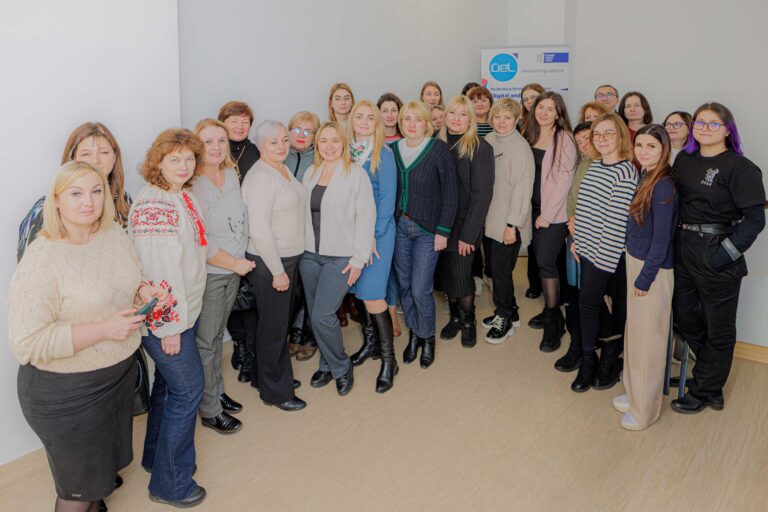
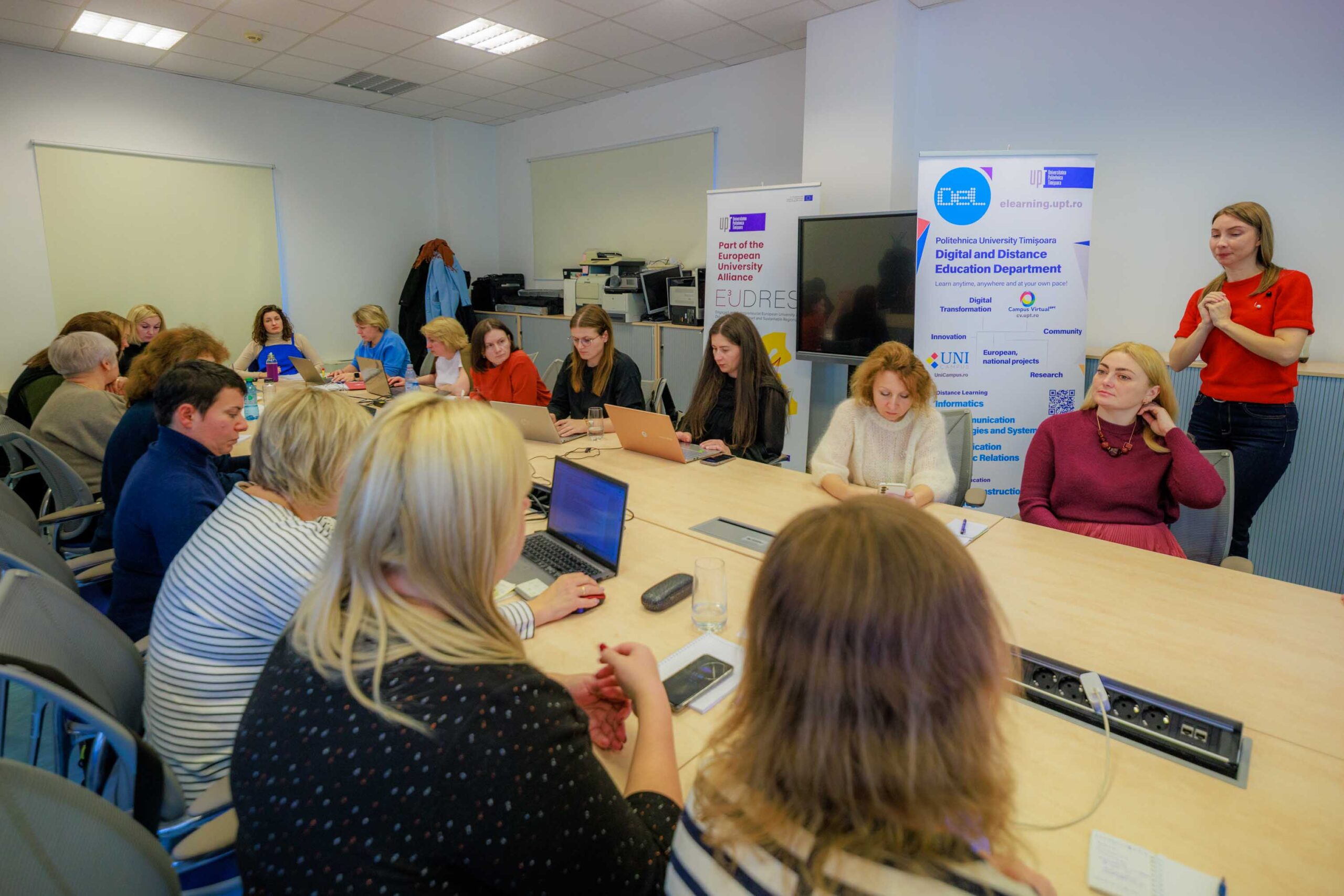
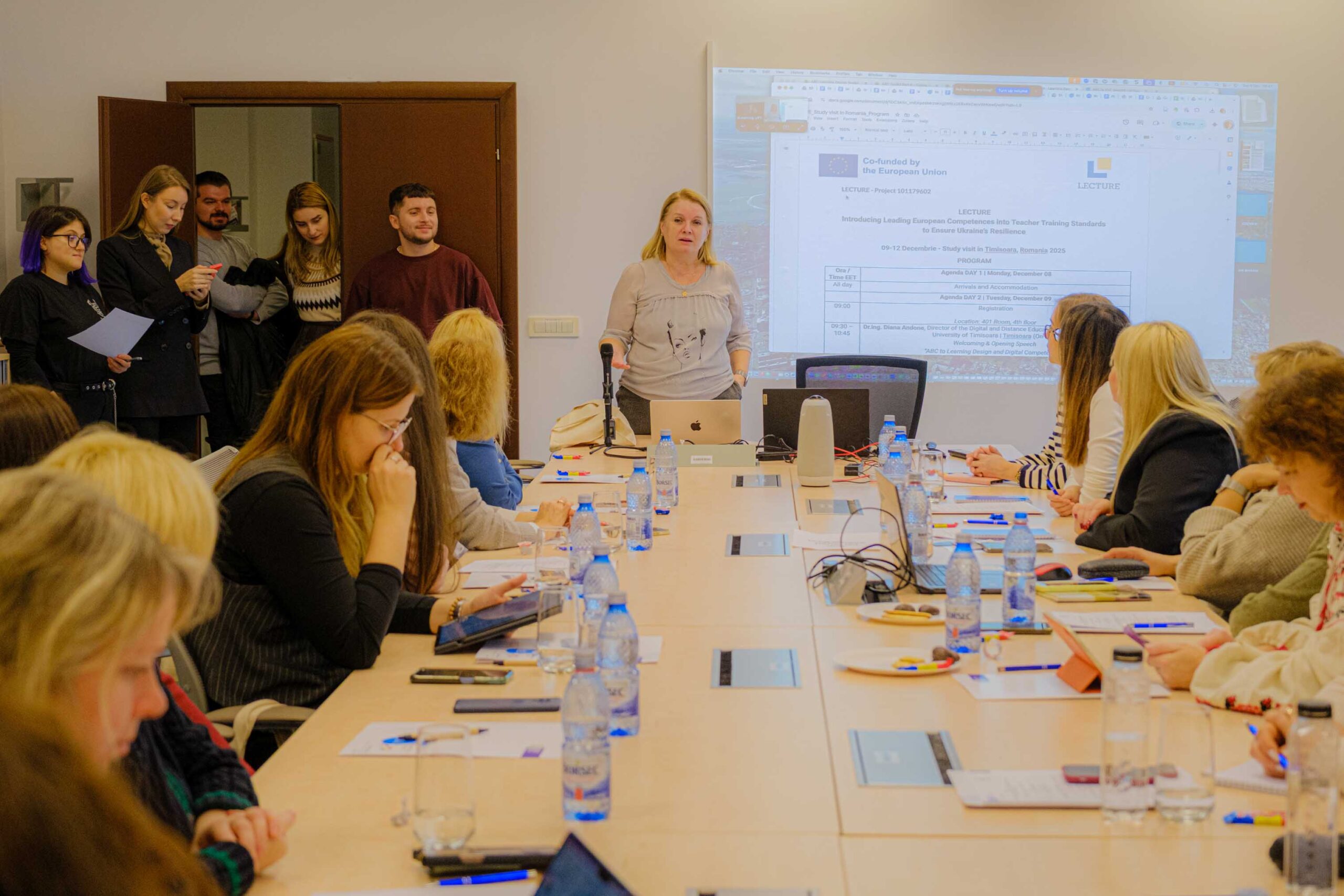
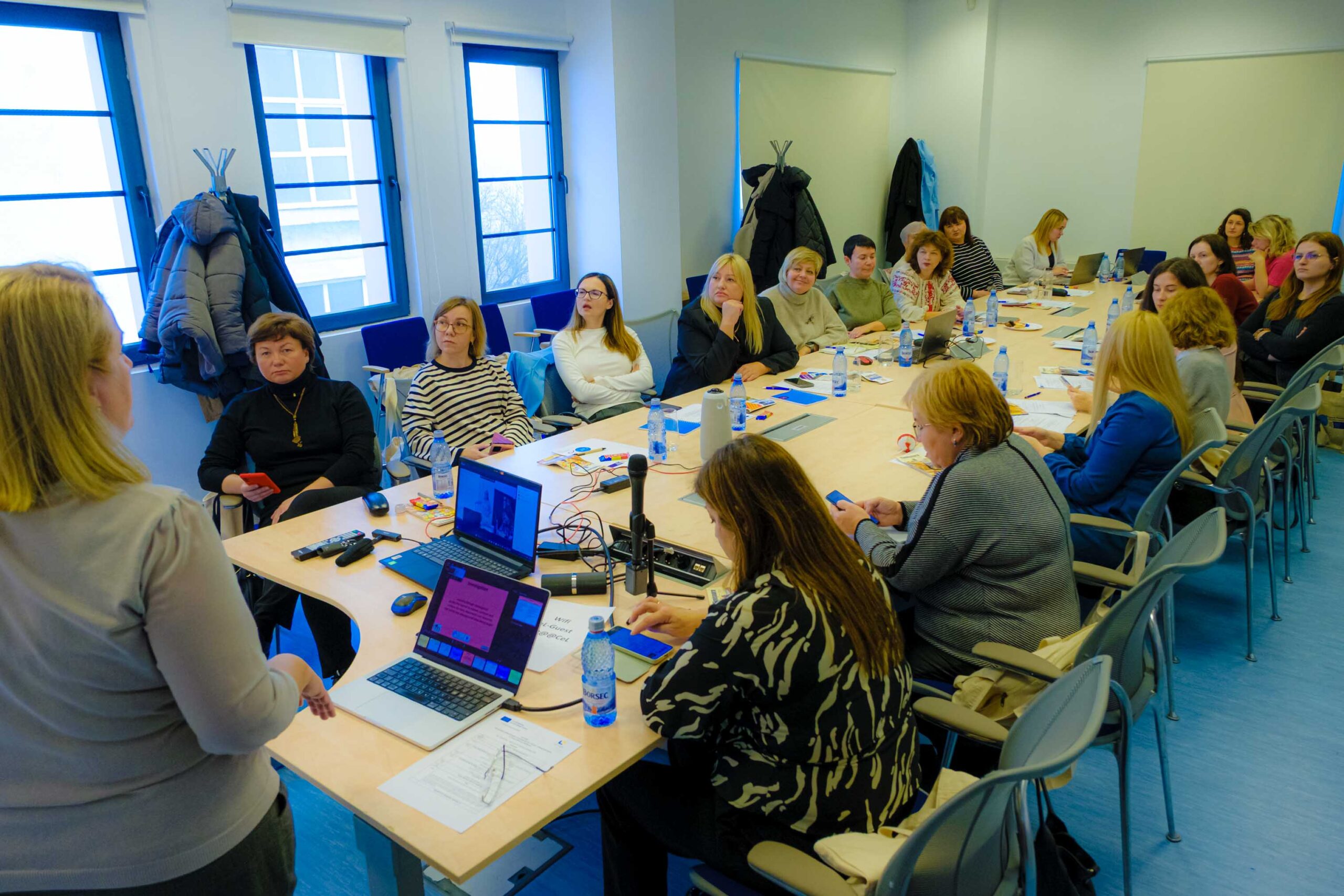
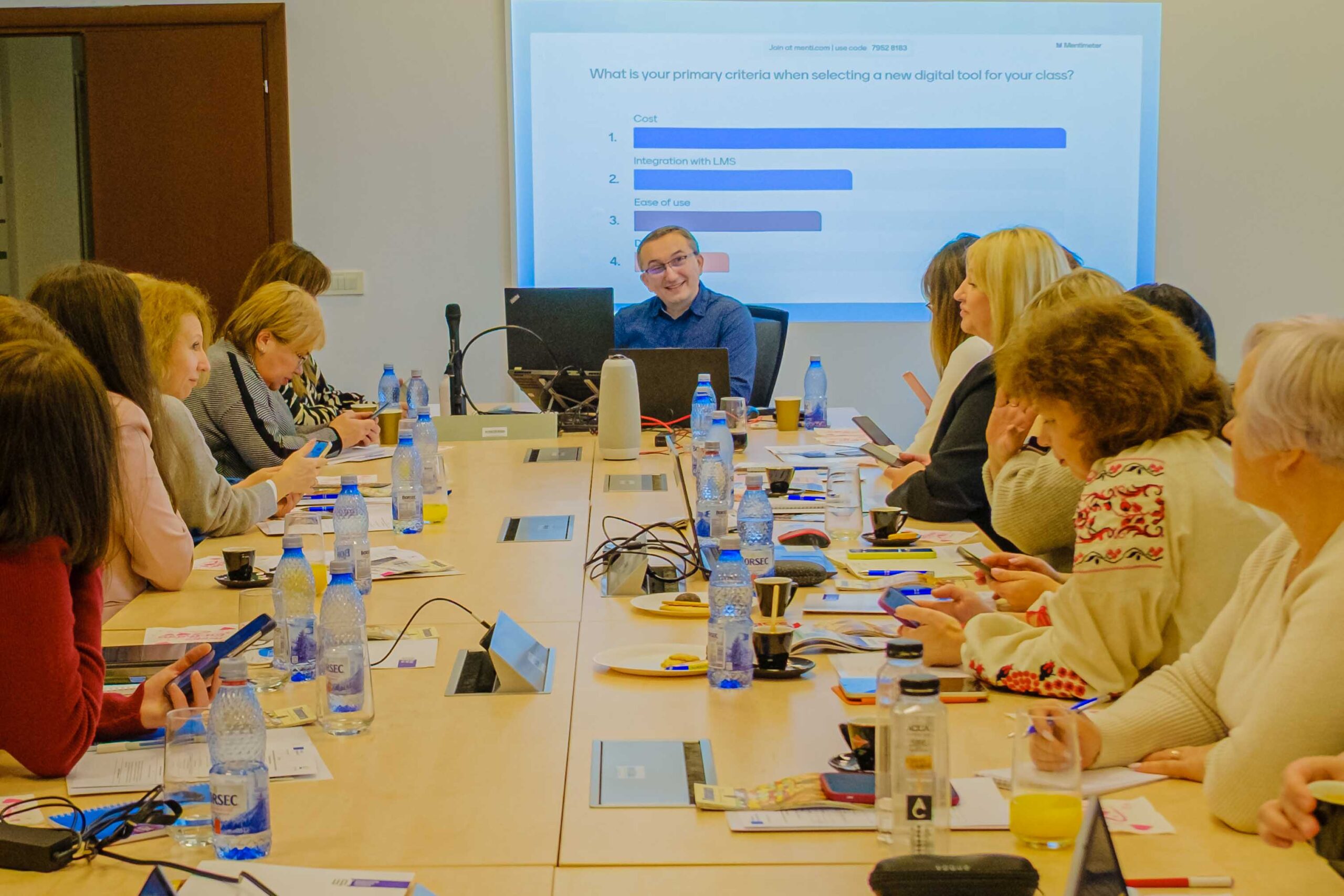
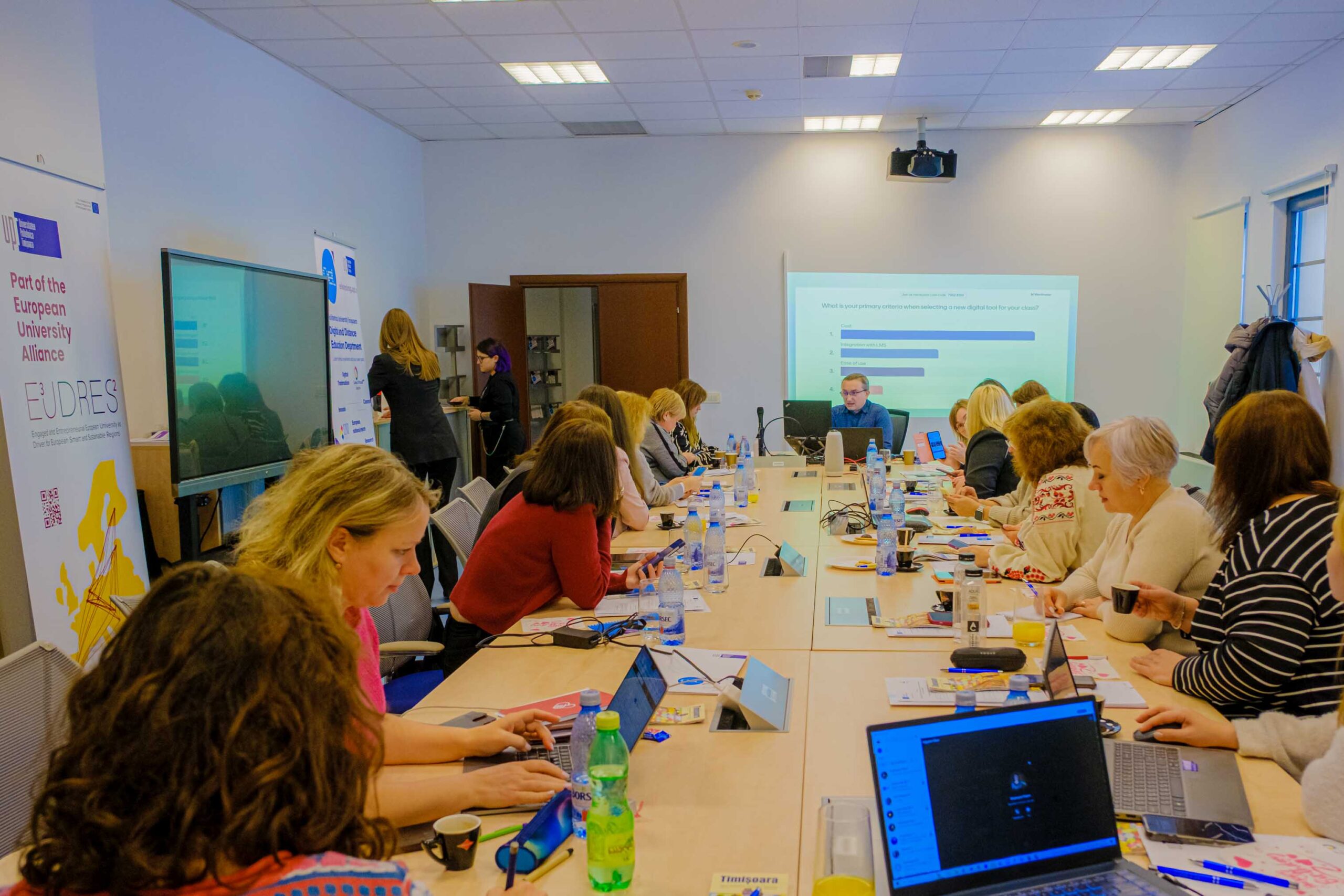
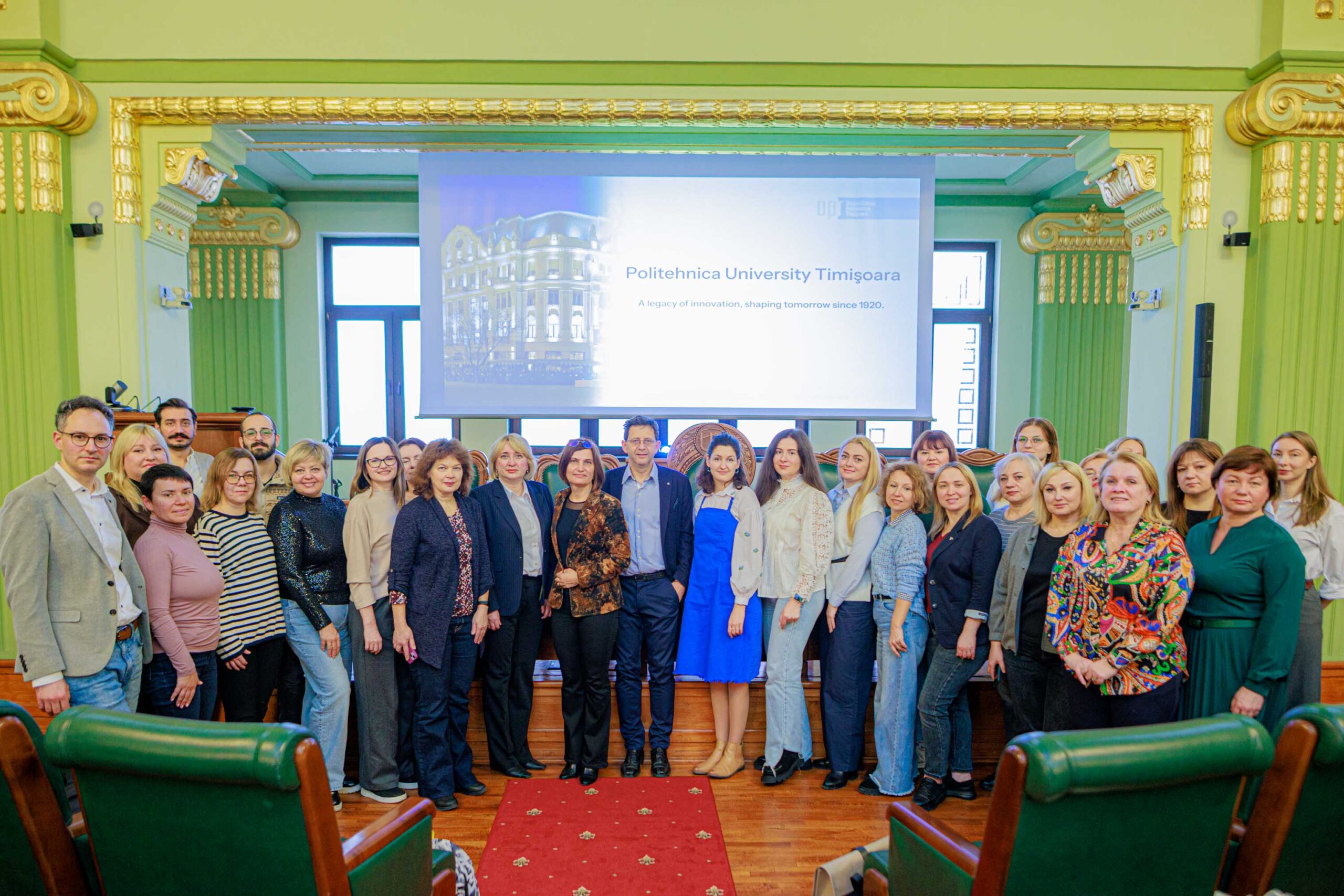
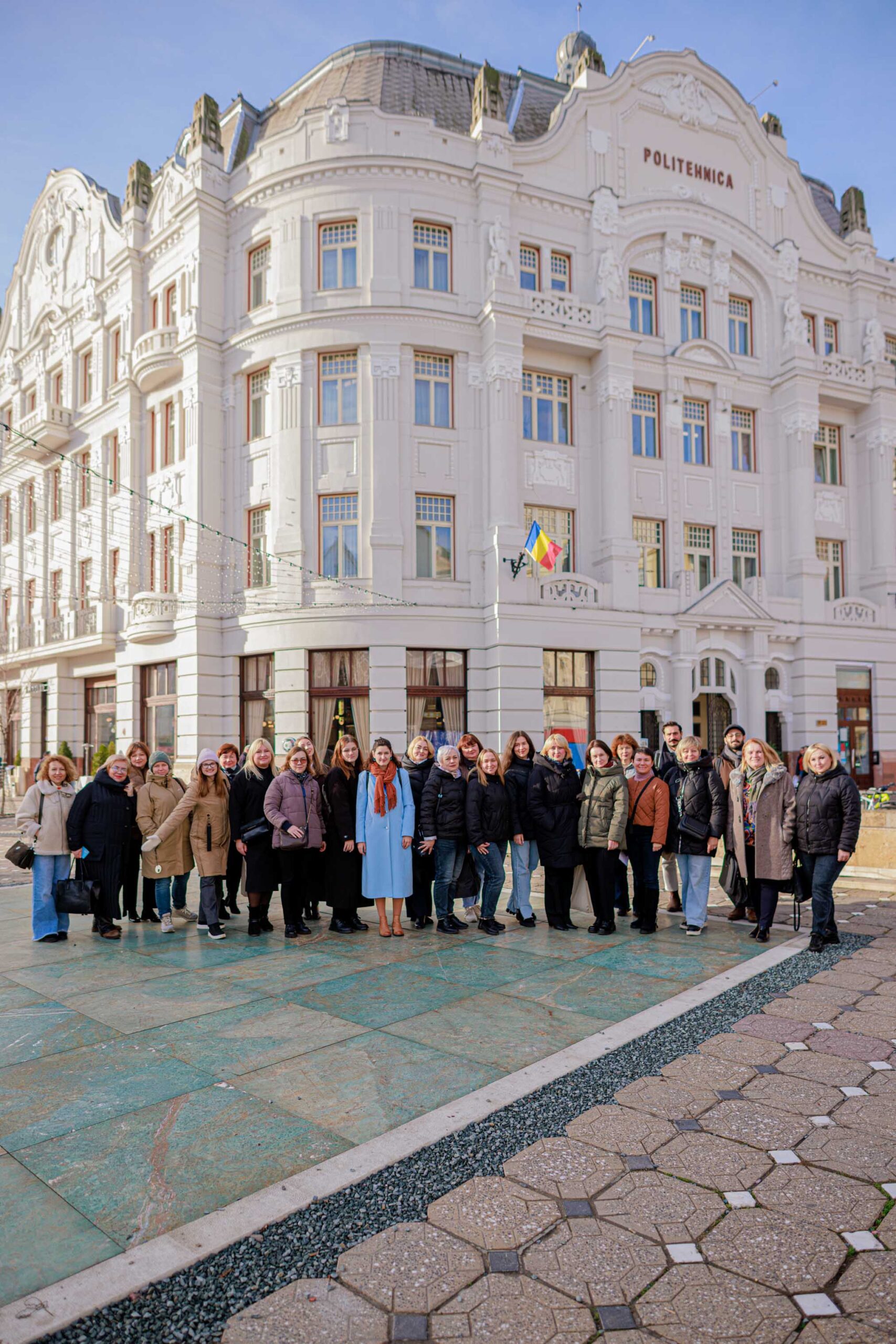
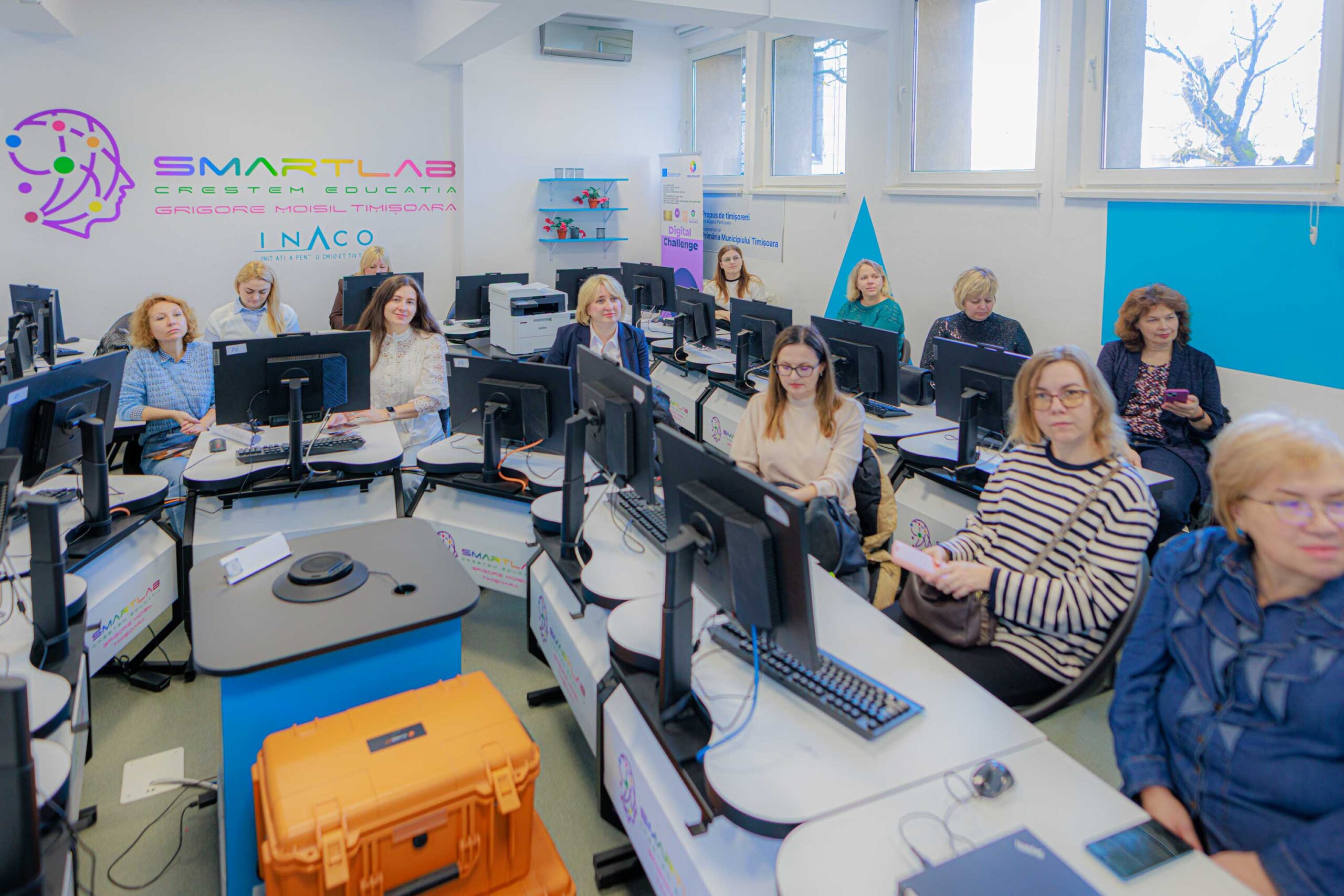
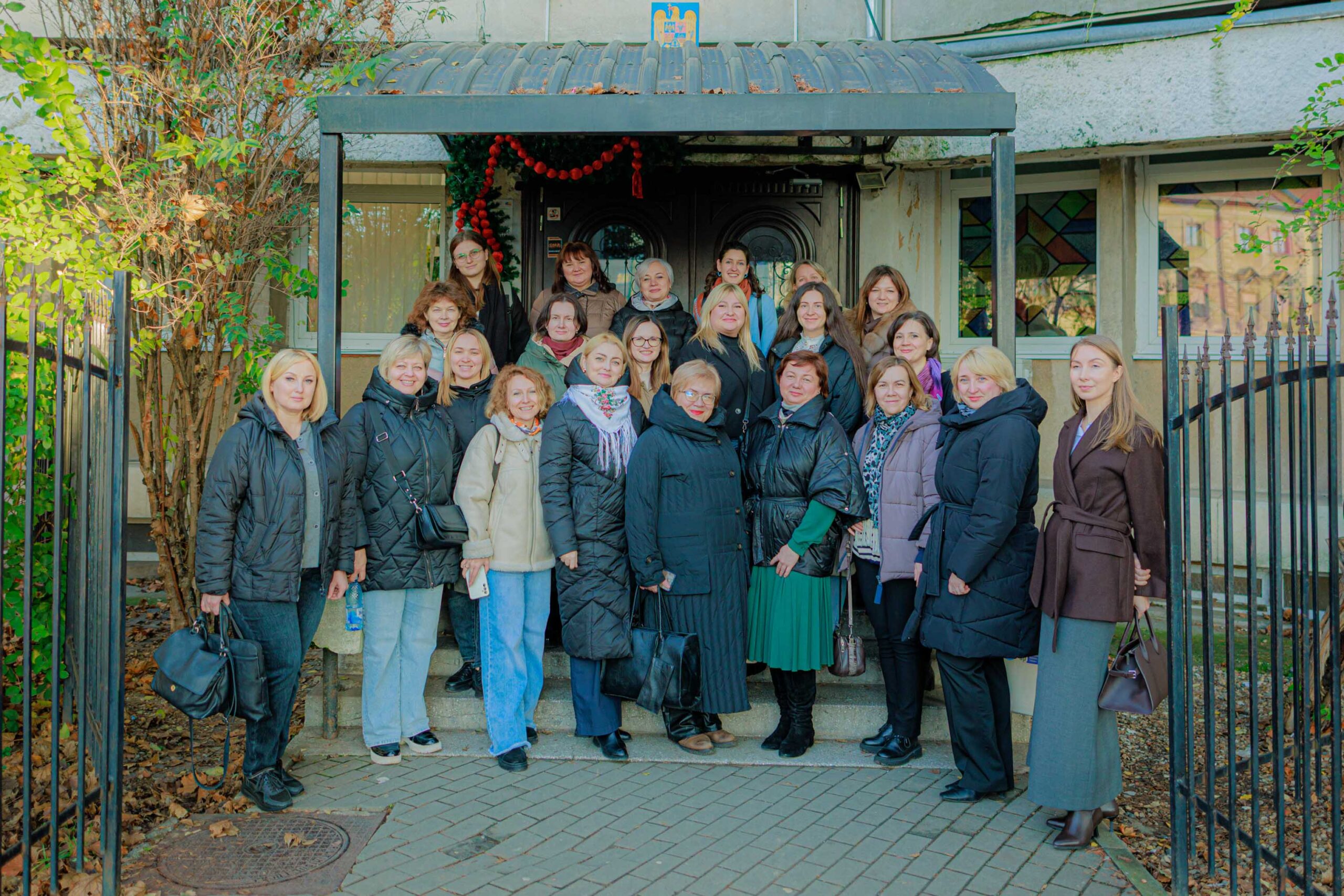
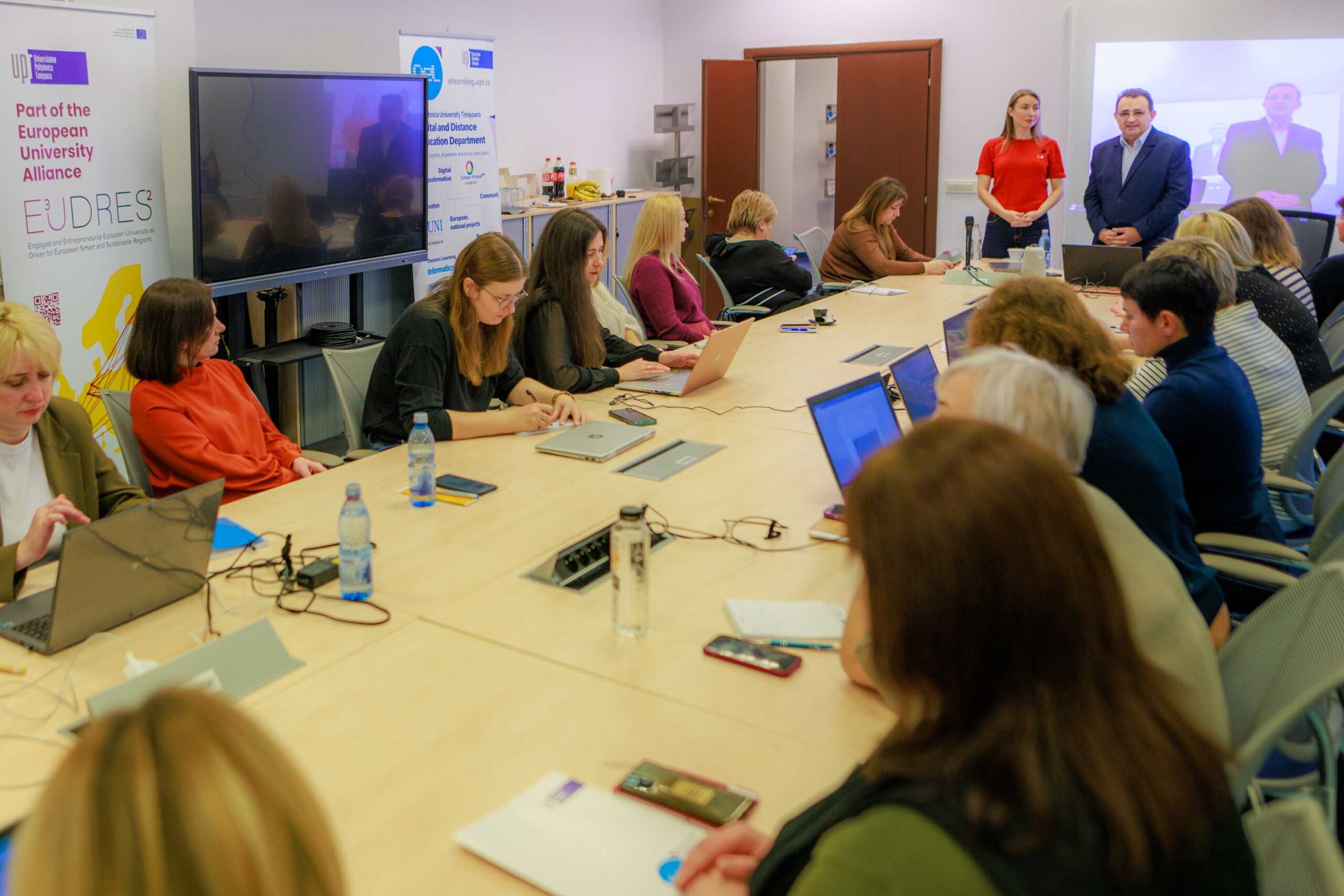
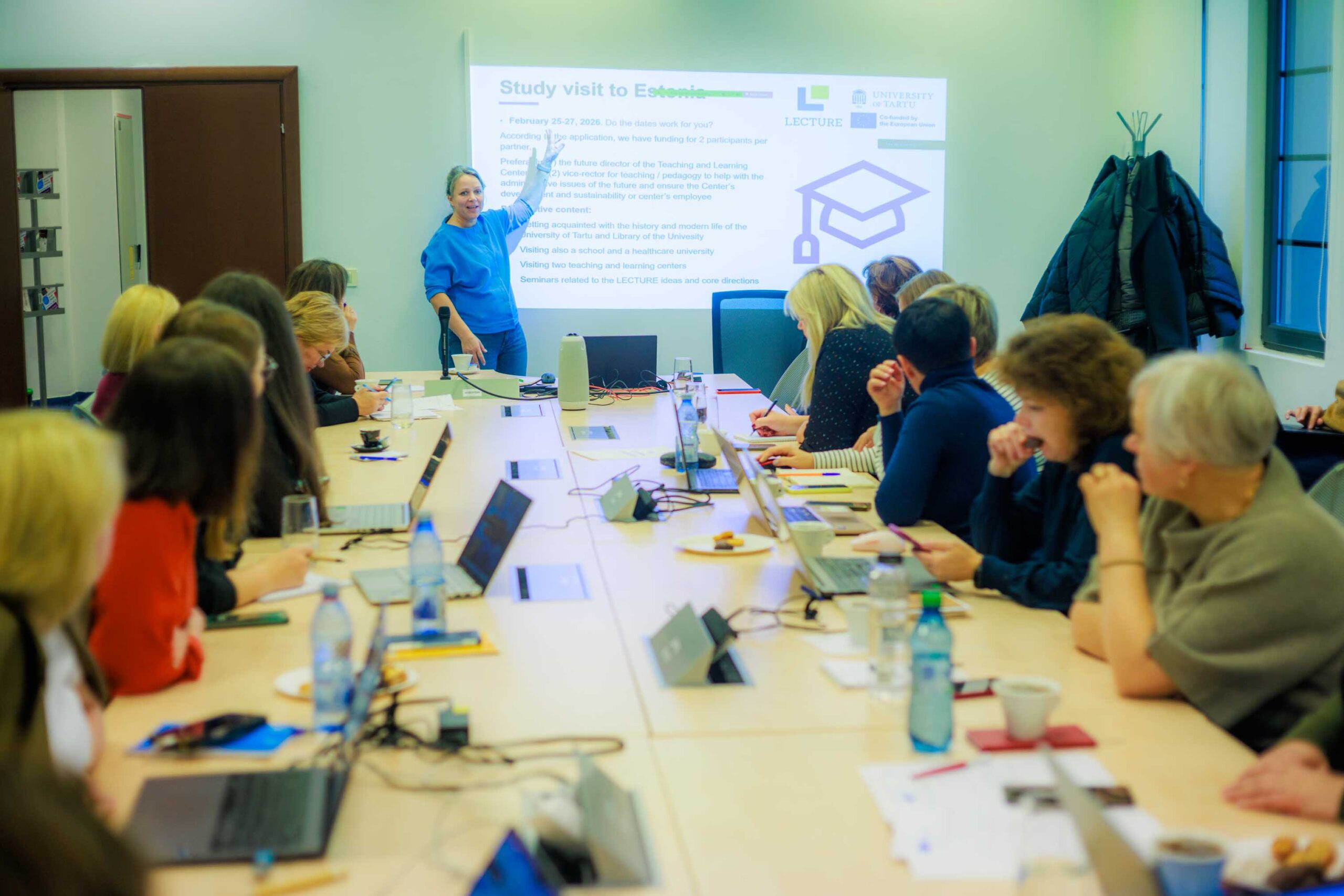
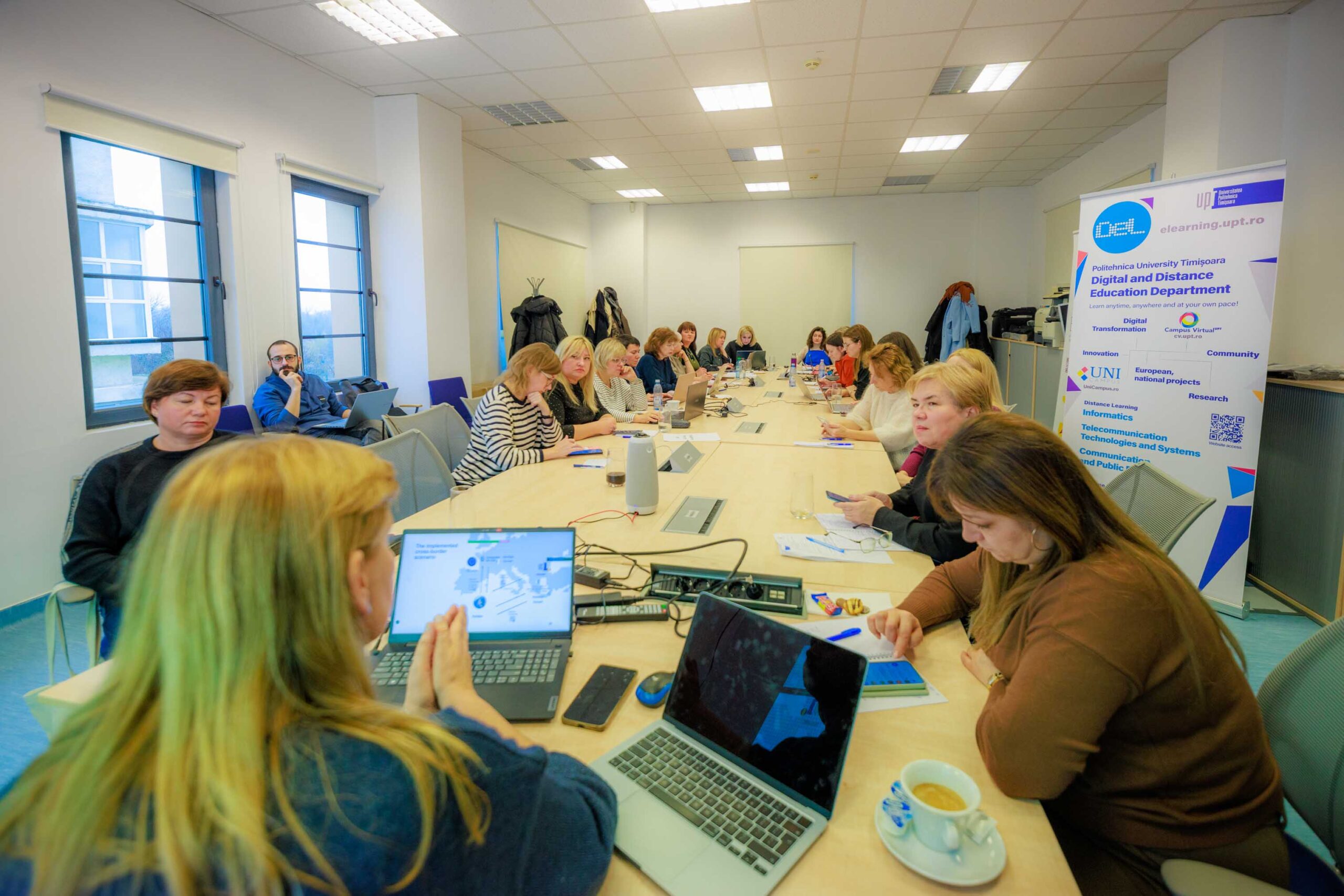
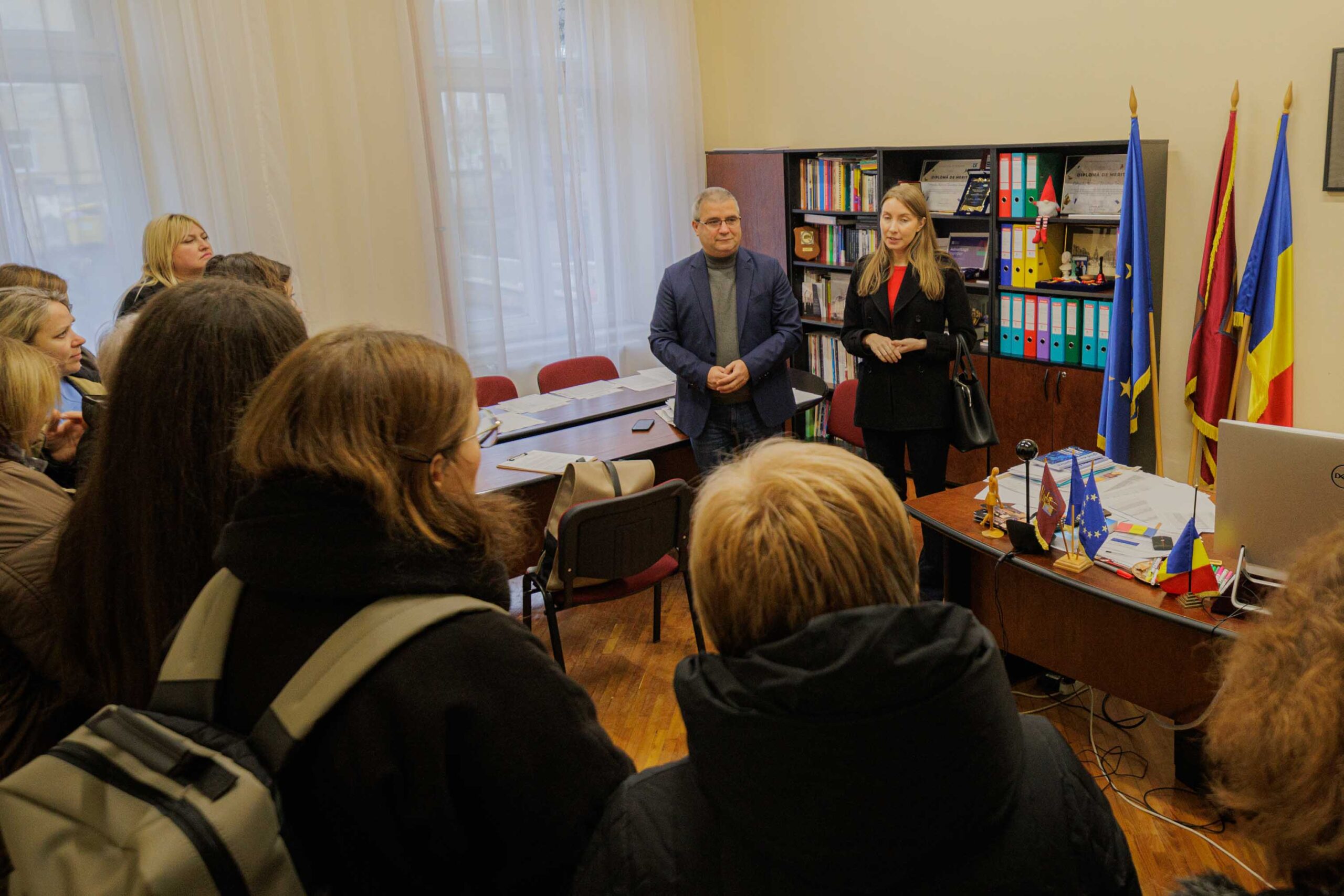
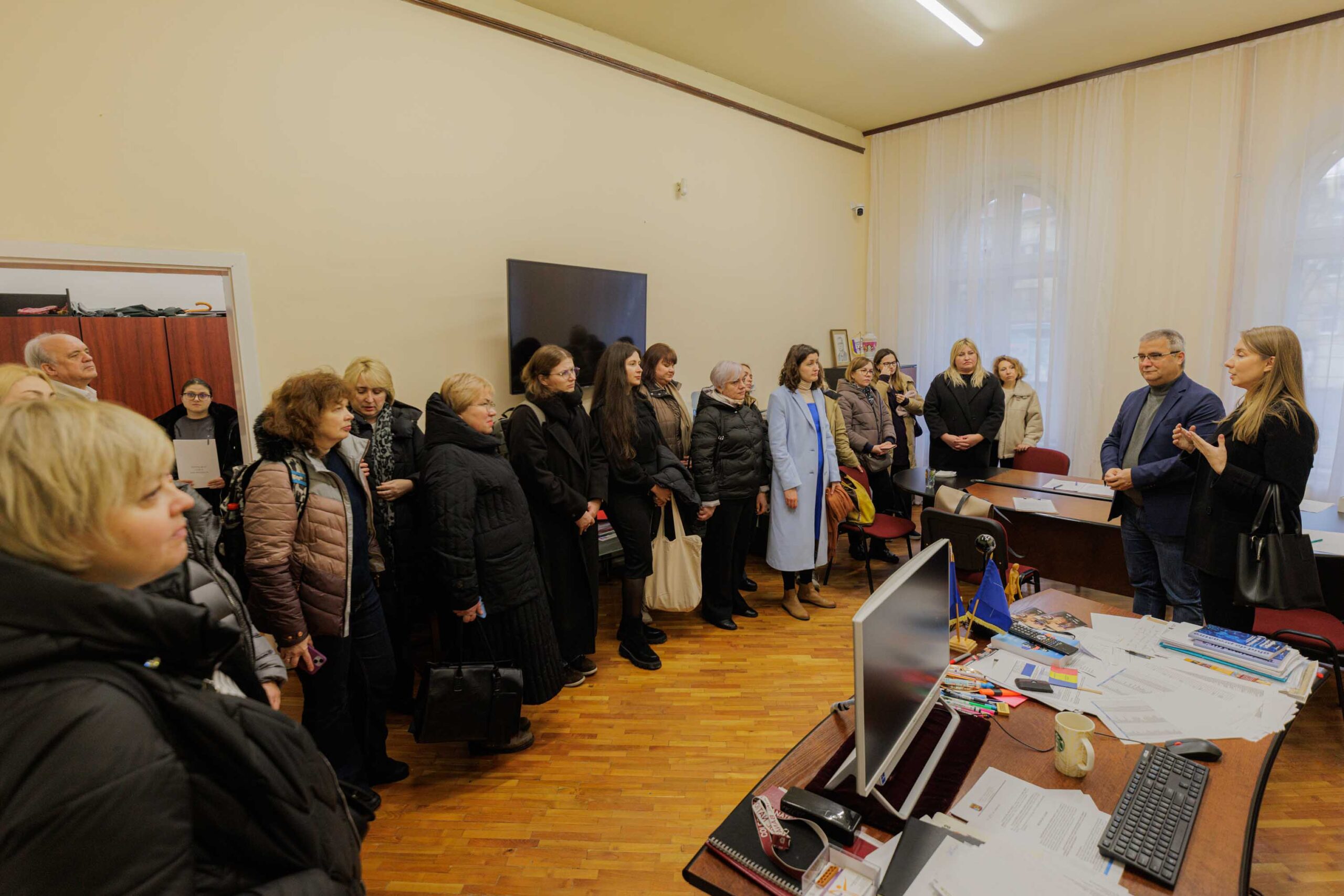
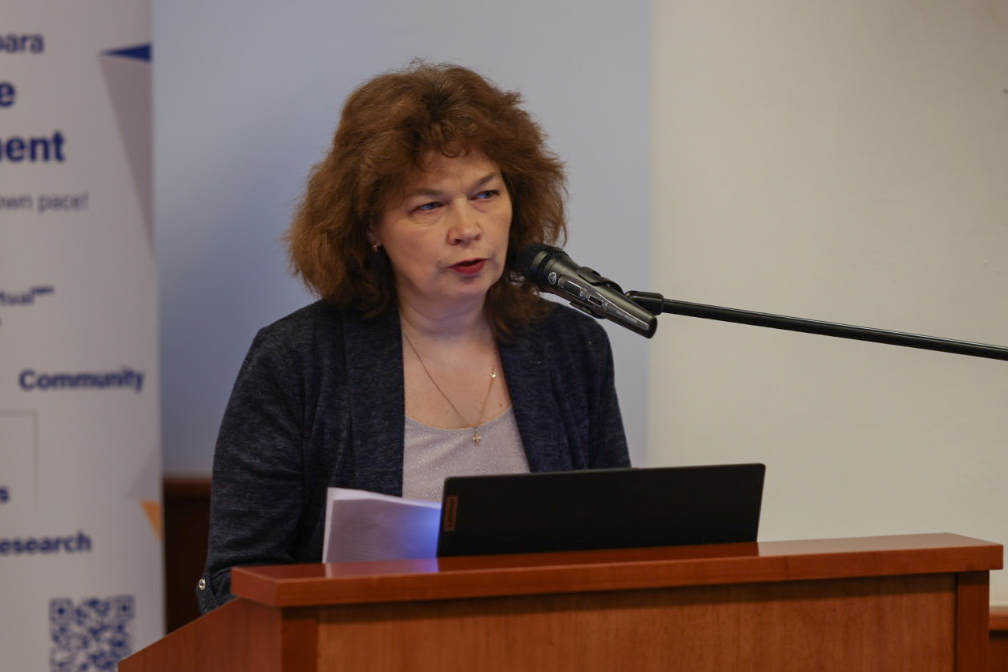
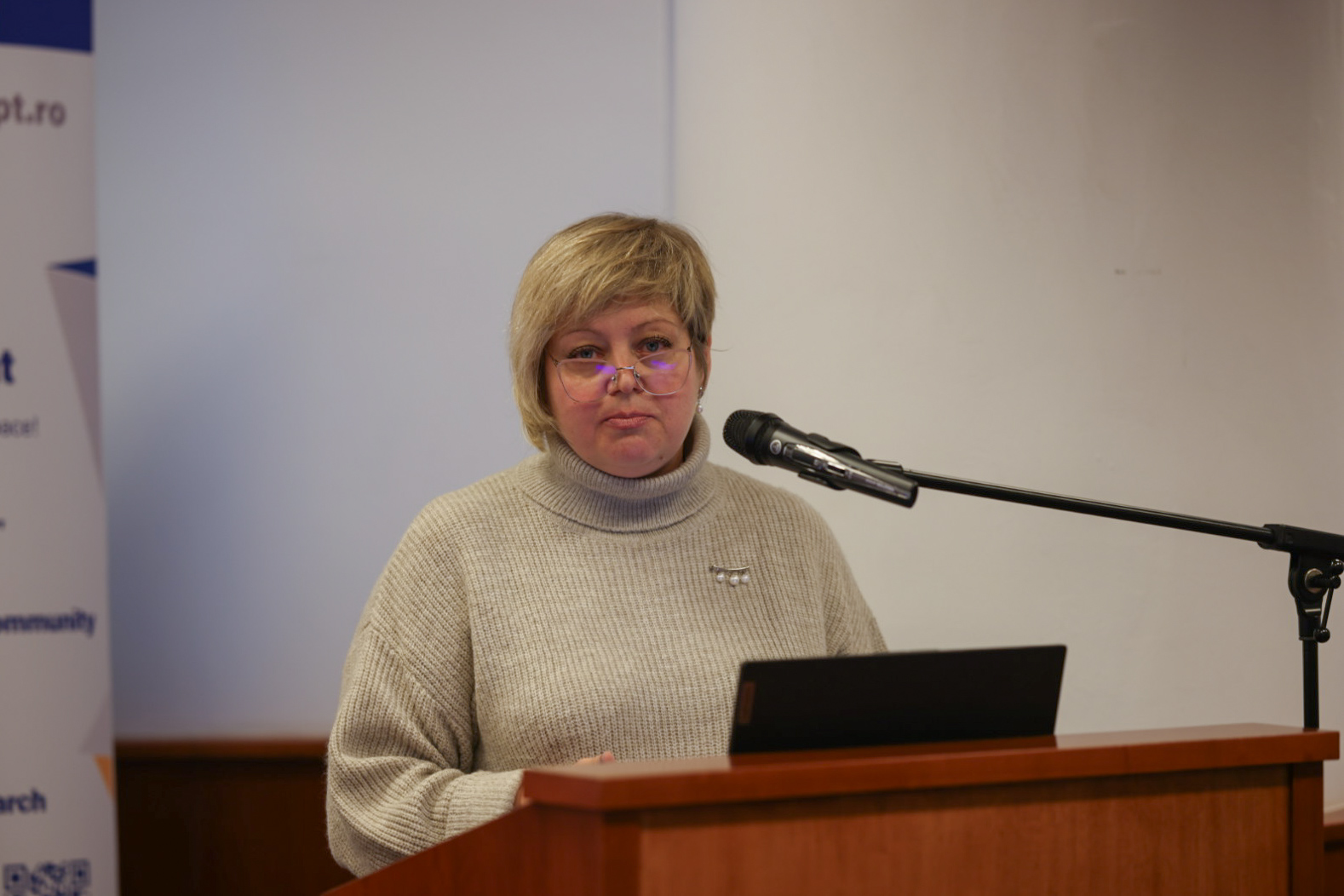
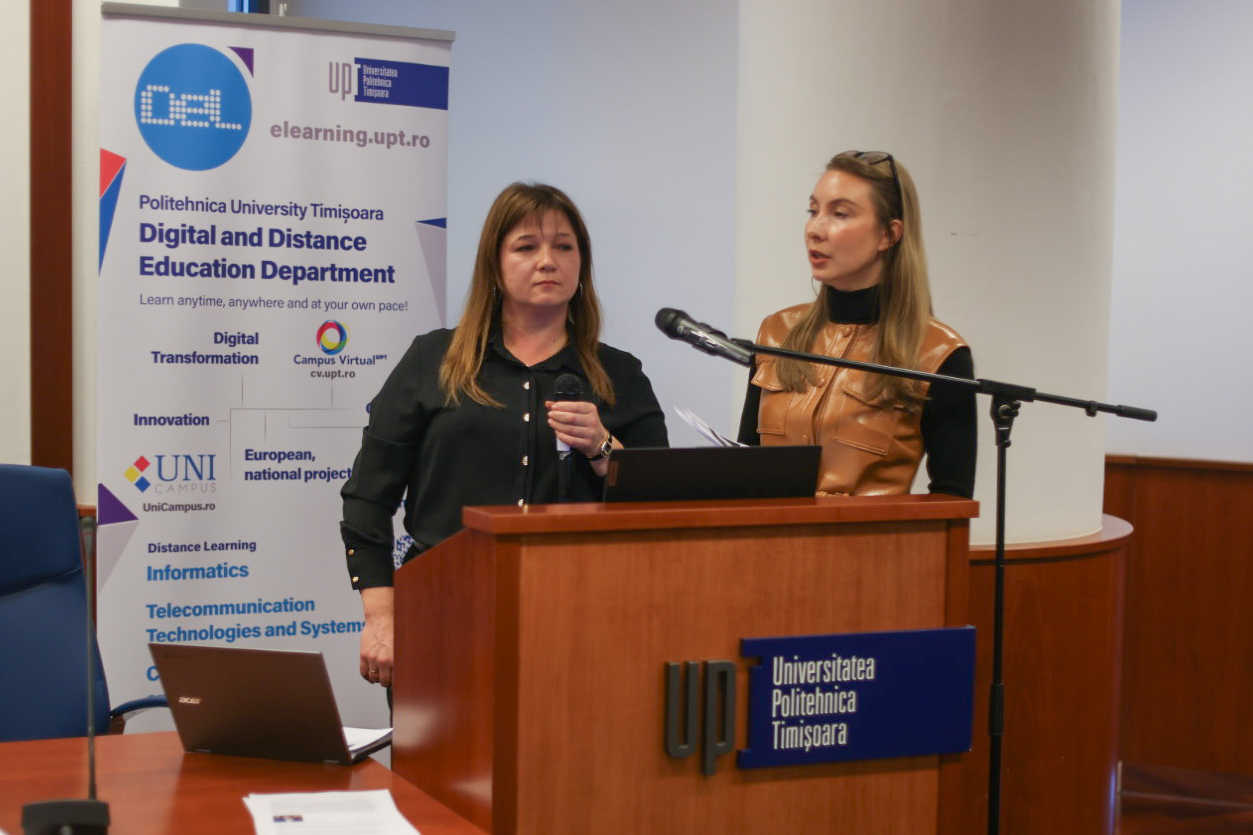
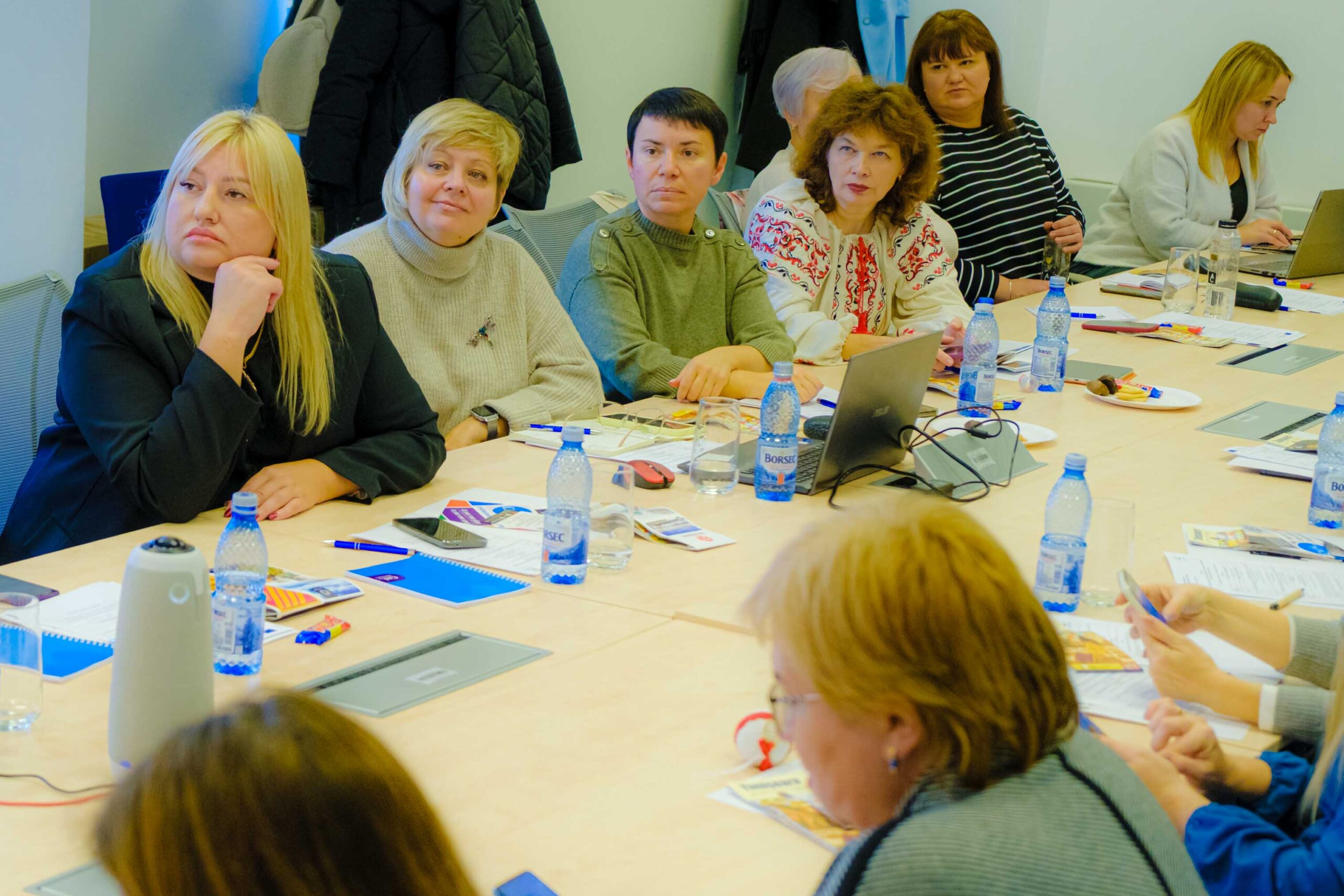
Politehnica University Timișoara, through the Department of ID/IFR and Digital Education (DeL), successfully hosted Four-day study visit (December 9-12, 2025) of a delegation of teachers and academic staff from Ukraine, event held within the framework of the European project Erasmus+ LECTURES .
The delegation, consisting of over 20 people, brought together representatives from the six partner universities in Ukraine: HS Skovoroda Kharkiv National Pedagogical University (KhNPU), Vinnytsia Mykhailo Kotsiubynskyi State Pedagogical University (VSPU), Ternopil Volodymyr Hnatiuk National Pedagogical University (TNPU), Berdyansk State Pedagogical University (BSPU), Pavlo Tychyna Uman State Pedagogical University (USPU/UDPU) and Volodymyr Vynnychenko Central Ukrainian State University (CUSU).
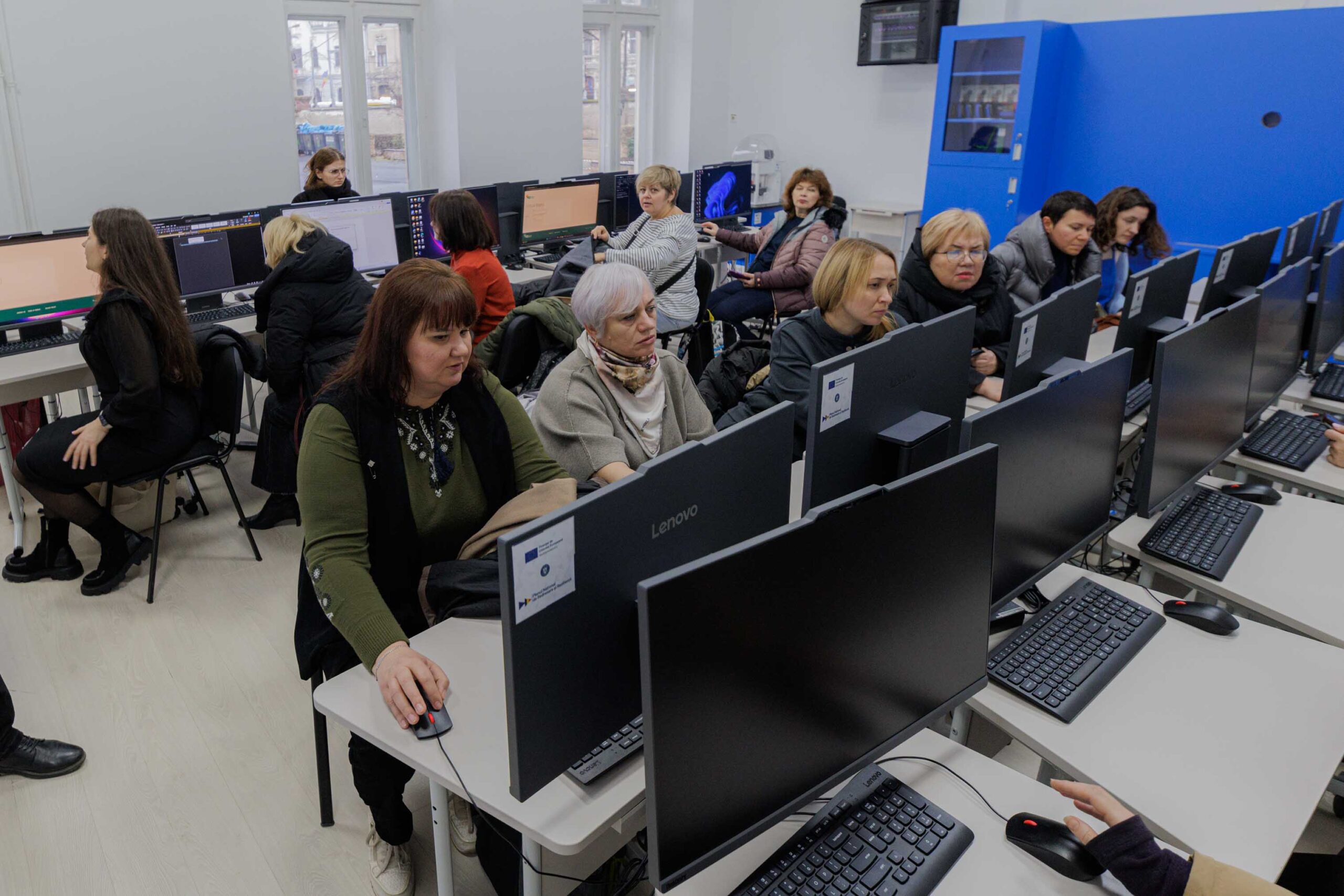
The intensive program combined theoretical sessions with practical visits, aiming to deepen EU best practices in the implementation of teacher training programs, with a particular focus on information and digital skills.
Day 1: Digital Fundamentals and edutainment demonstrations through VR/XR applications
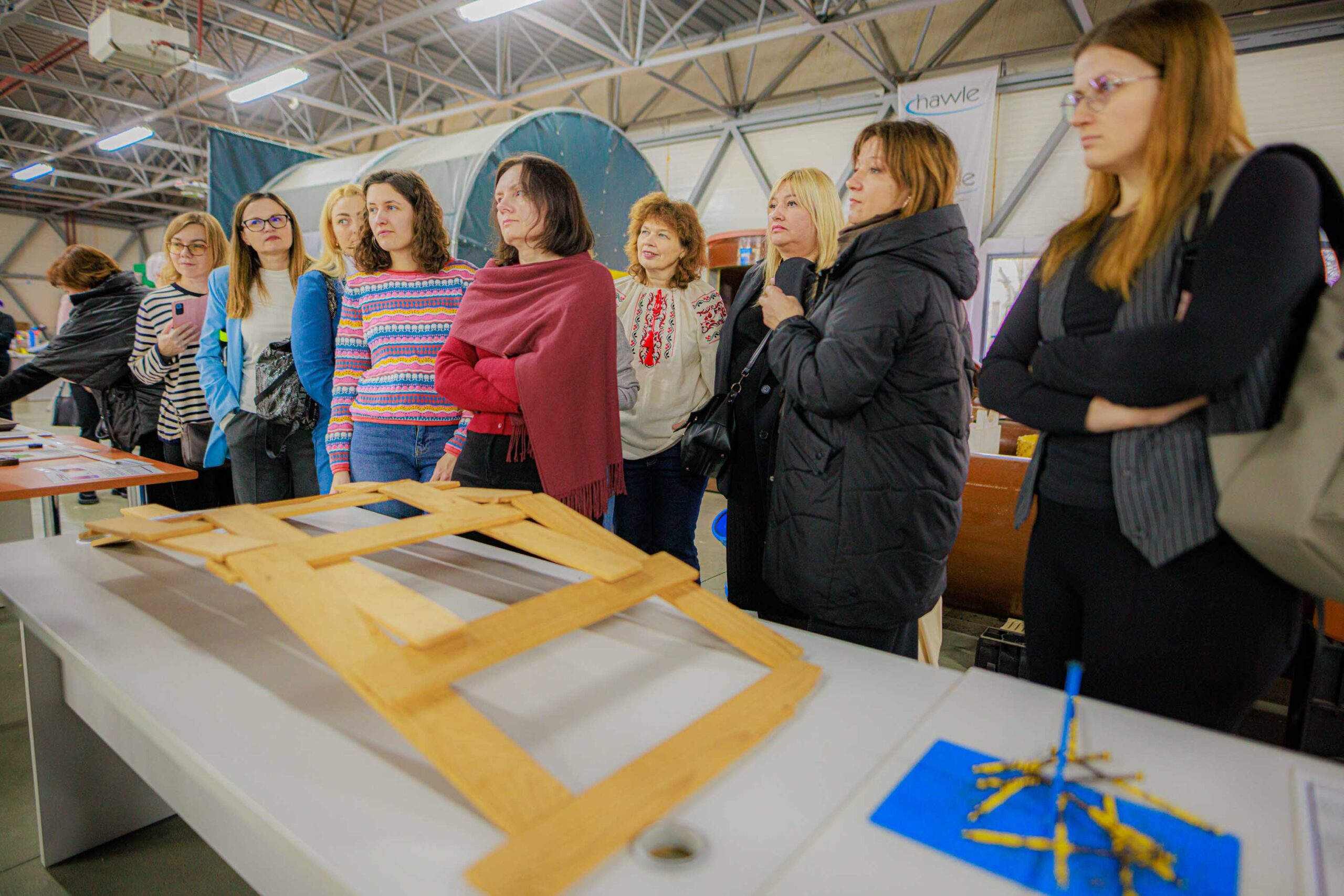
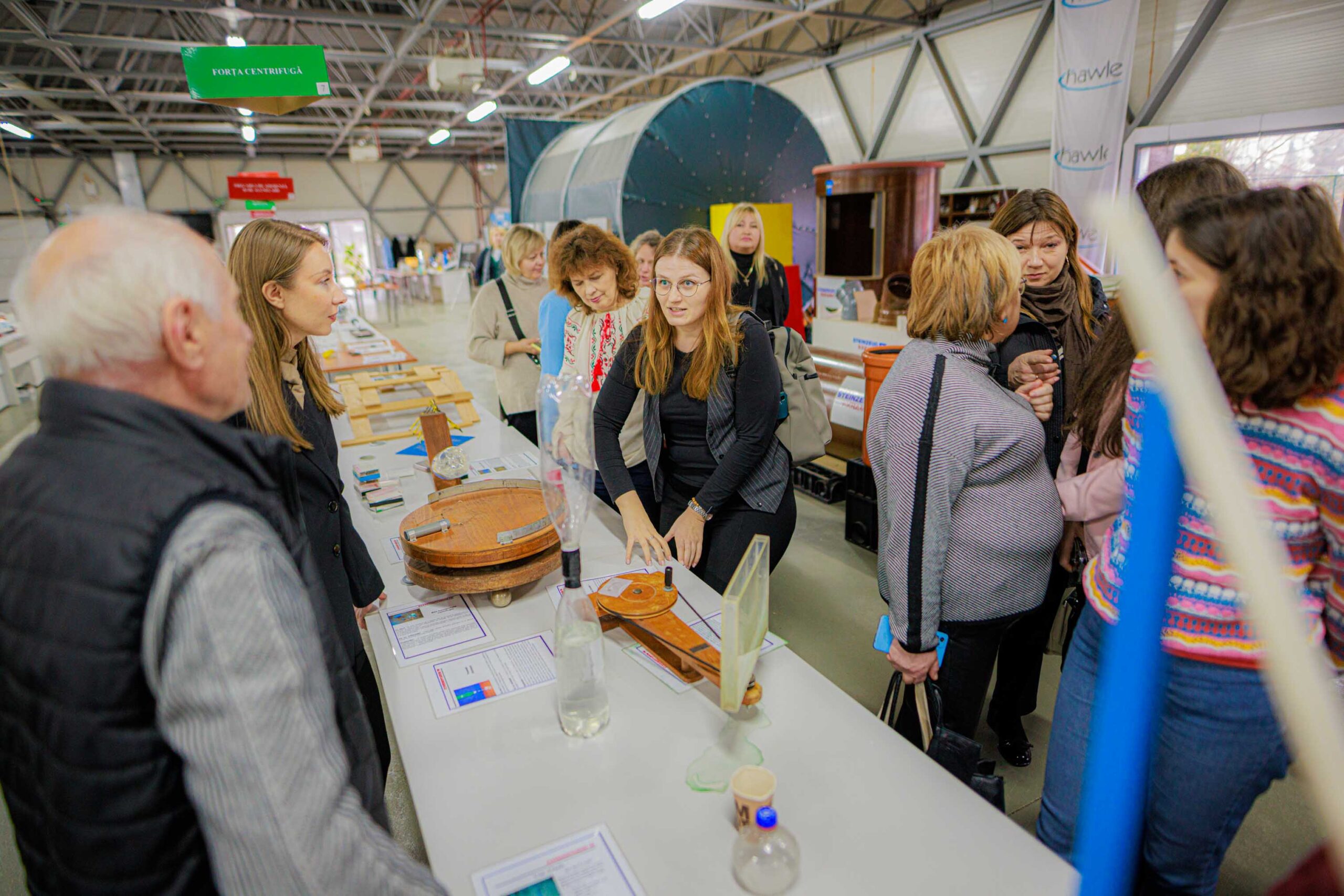
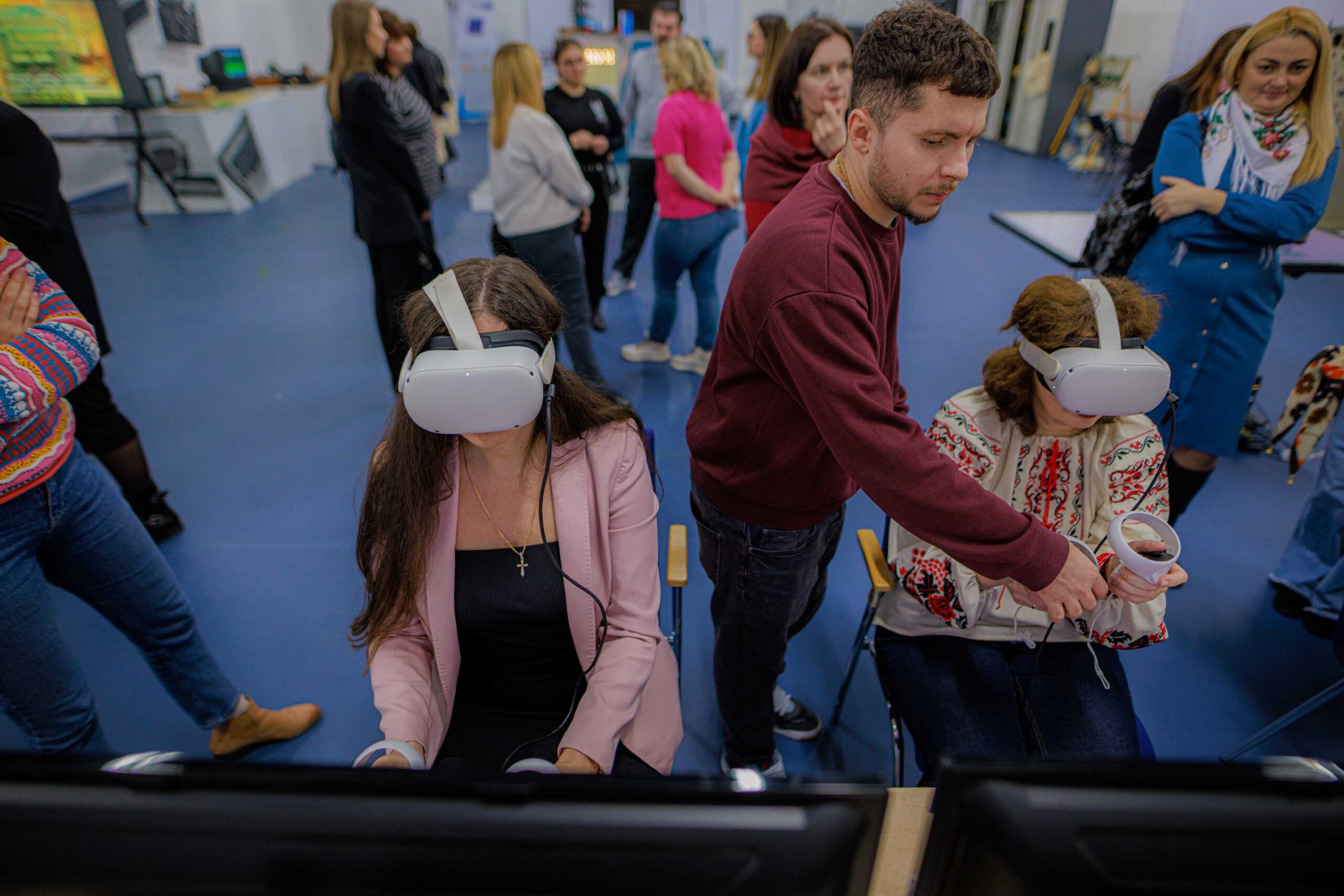
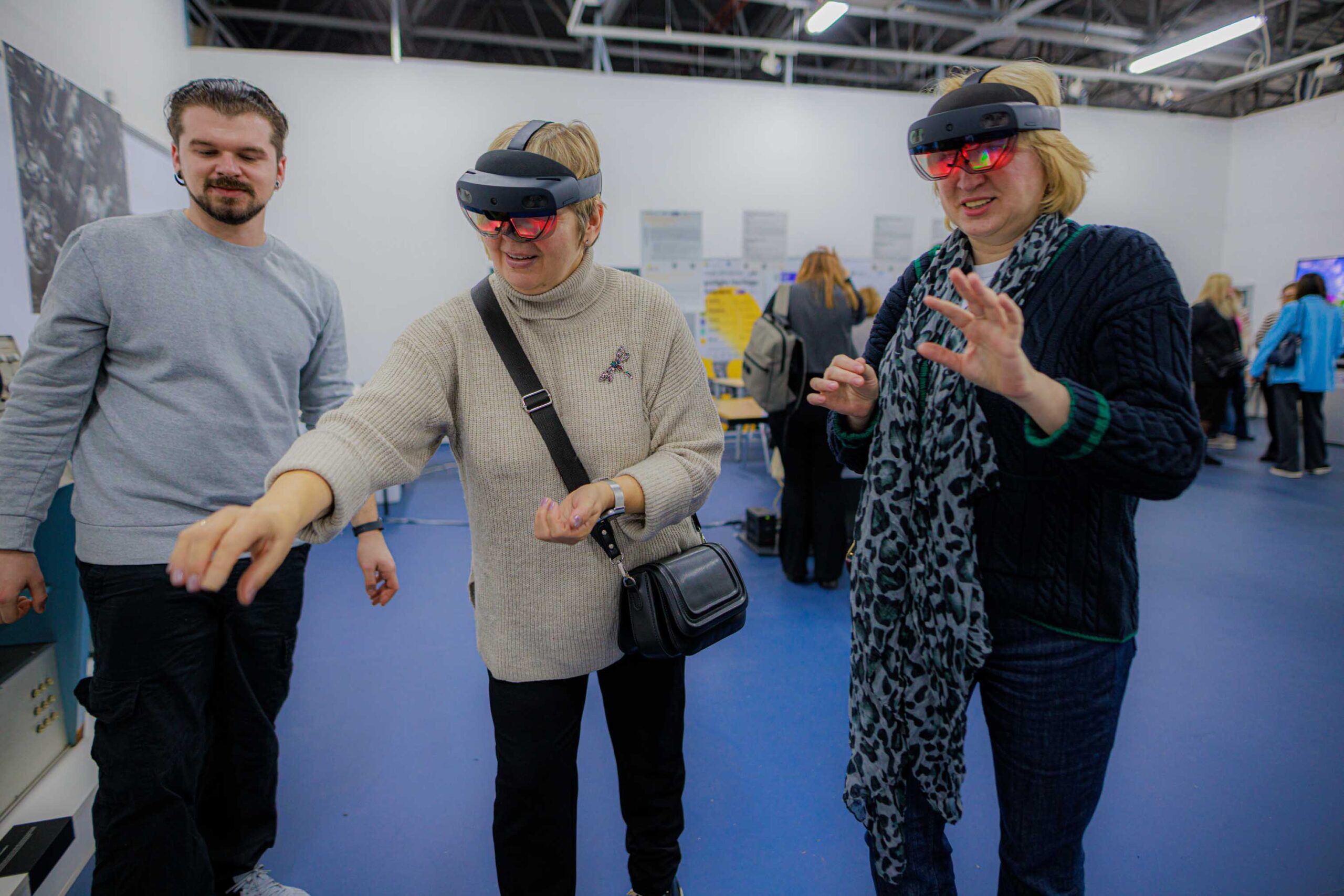
The first day started with training sessions held by UPT experts. Dr. Eng. Diana Andone, director of the Department of ID/IFR and Digital Education, presented "„ABC to Learning Design and Digital Competences”", and the other Dr. Eng. Andrei Ternauciuc held the session "„Open Tools in Education & Open Badges”". The afternoon included a visit to the ExperimentariumTM and the Technical Museum of UPT, where the delegation discovered the first computer in the Romanian university environment - MECIPT-1 and witnessed demonstrations of Virtual Reality (VR) and Mixed Reality (MR) applications carried out within the cultural project Spotlight Heritage Timișoara.
Day 2: Education Quality, the Bologna Process and Artificial Intelligence
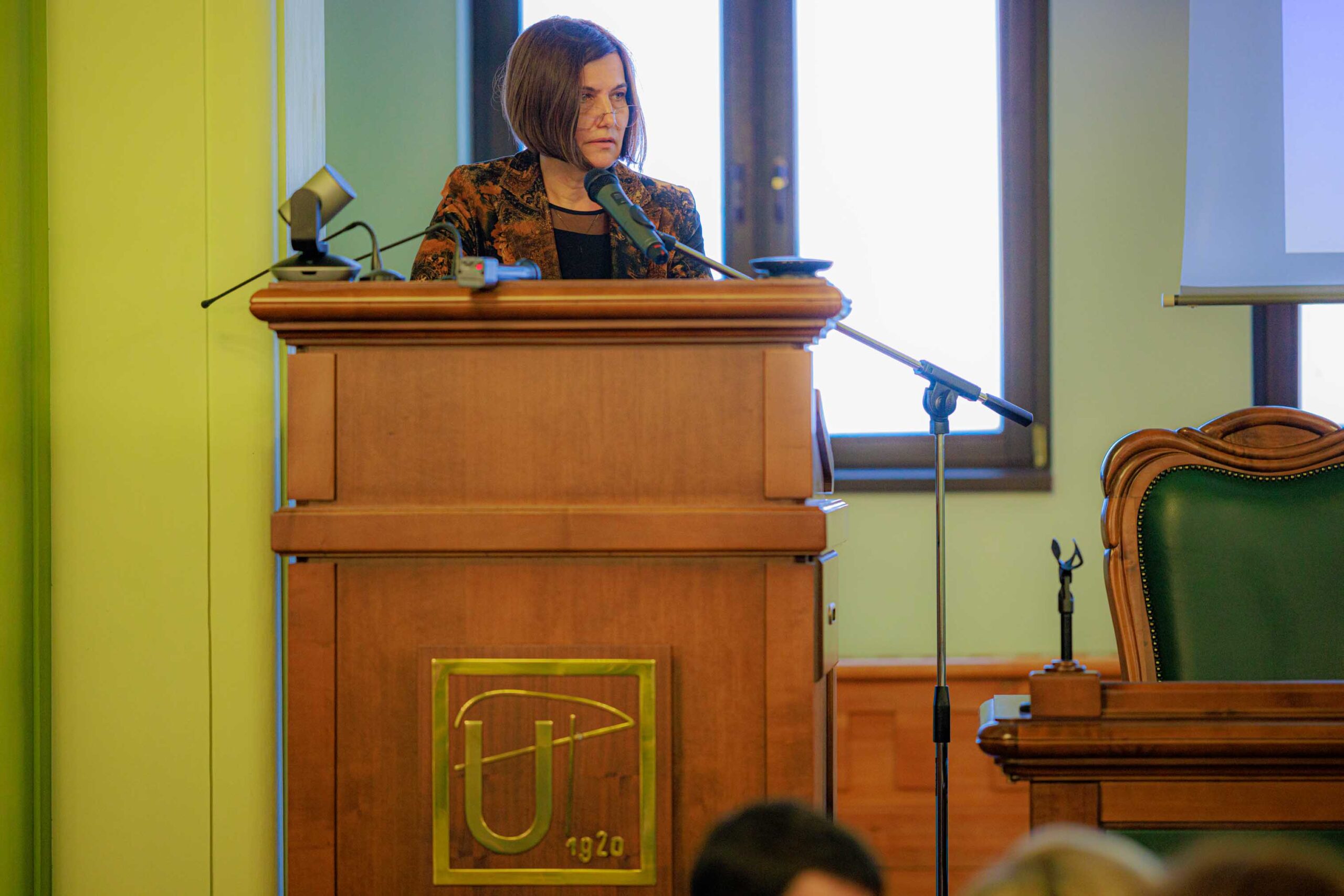
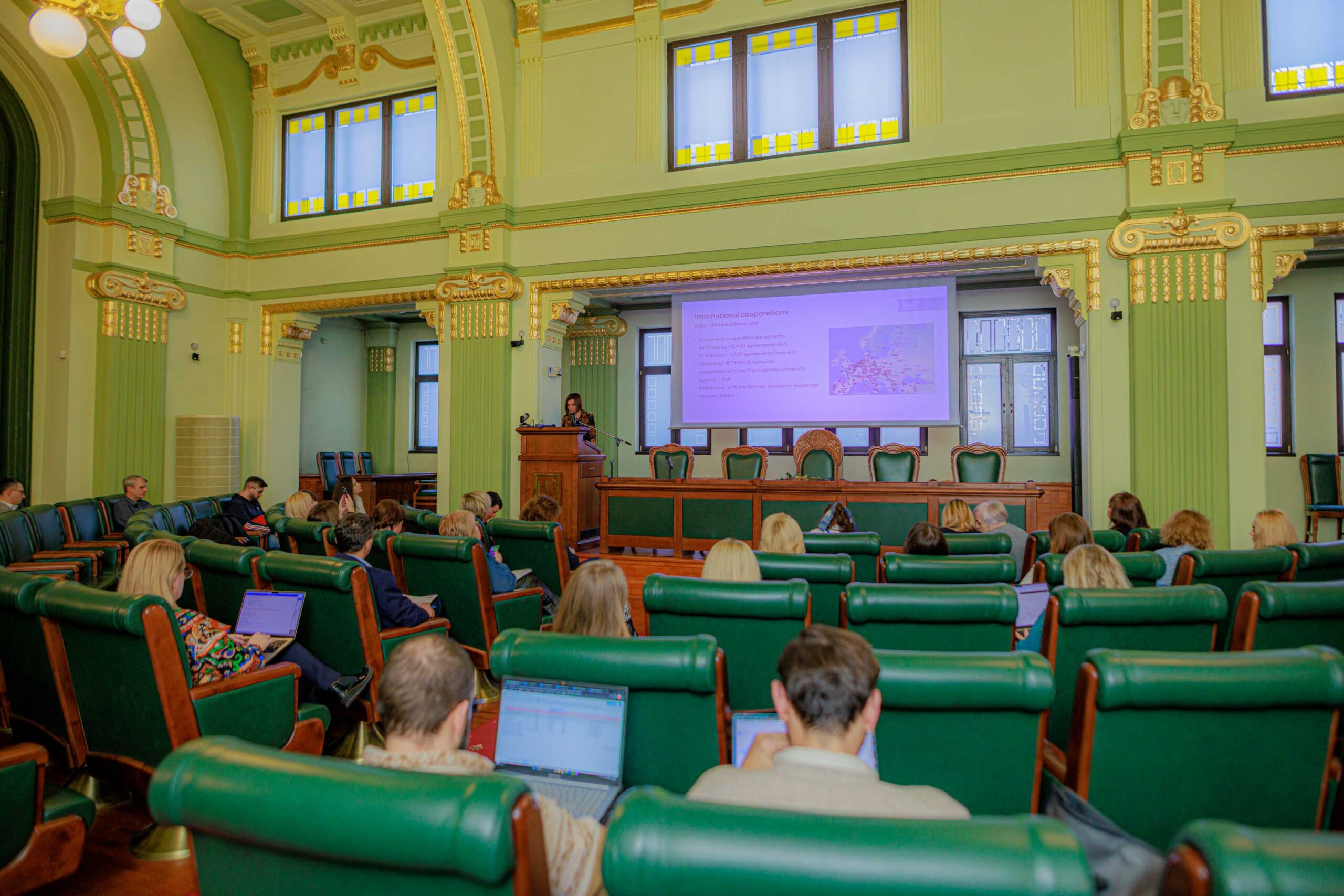
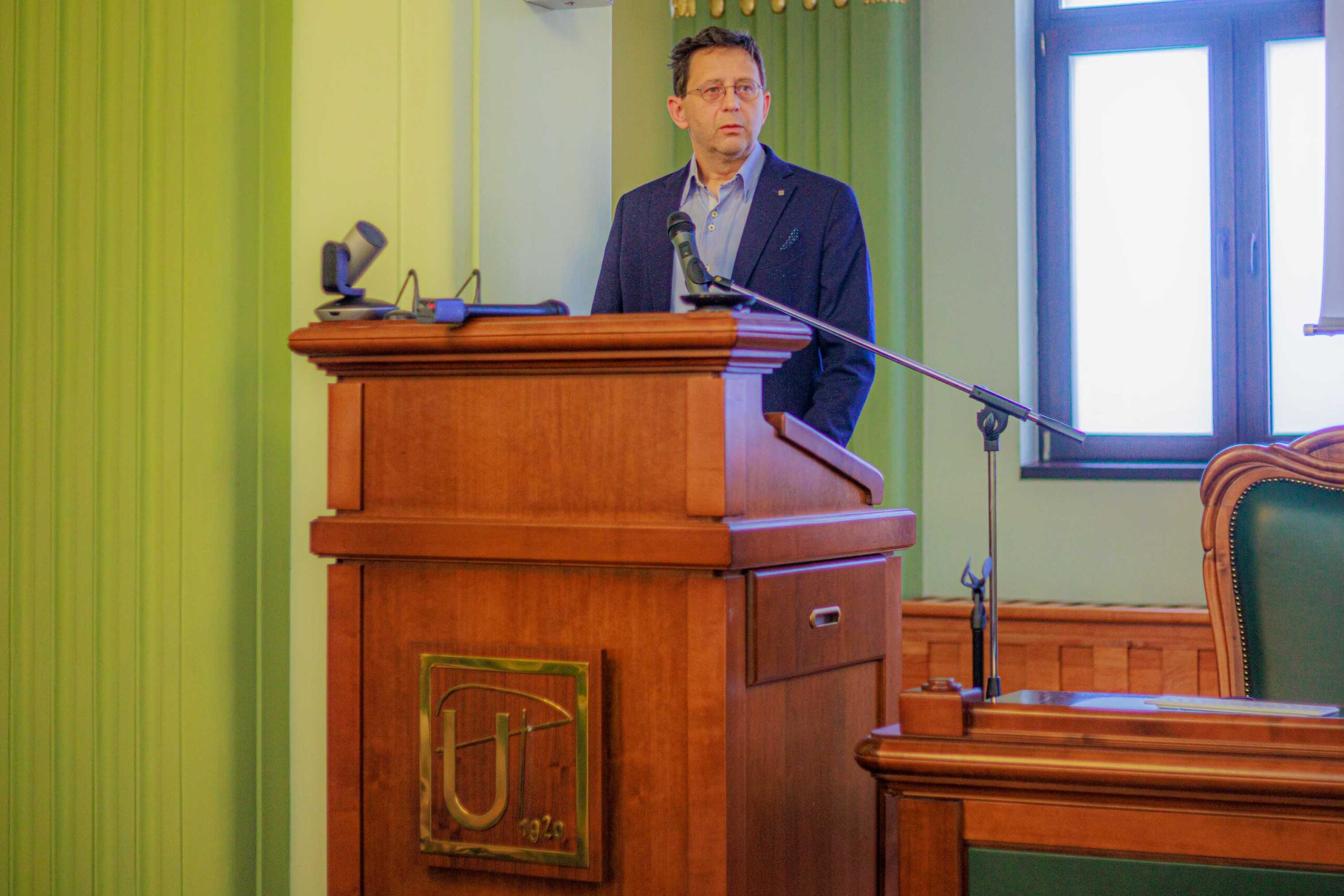
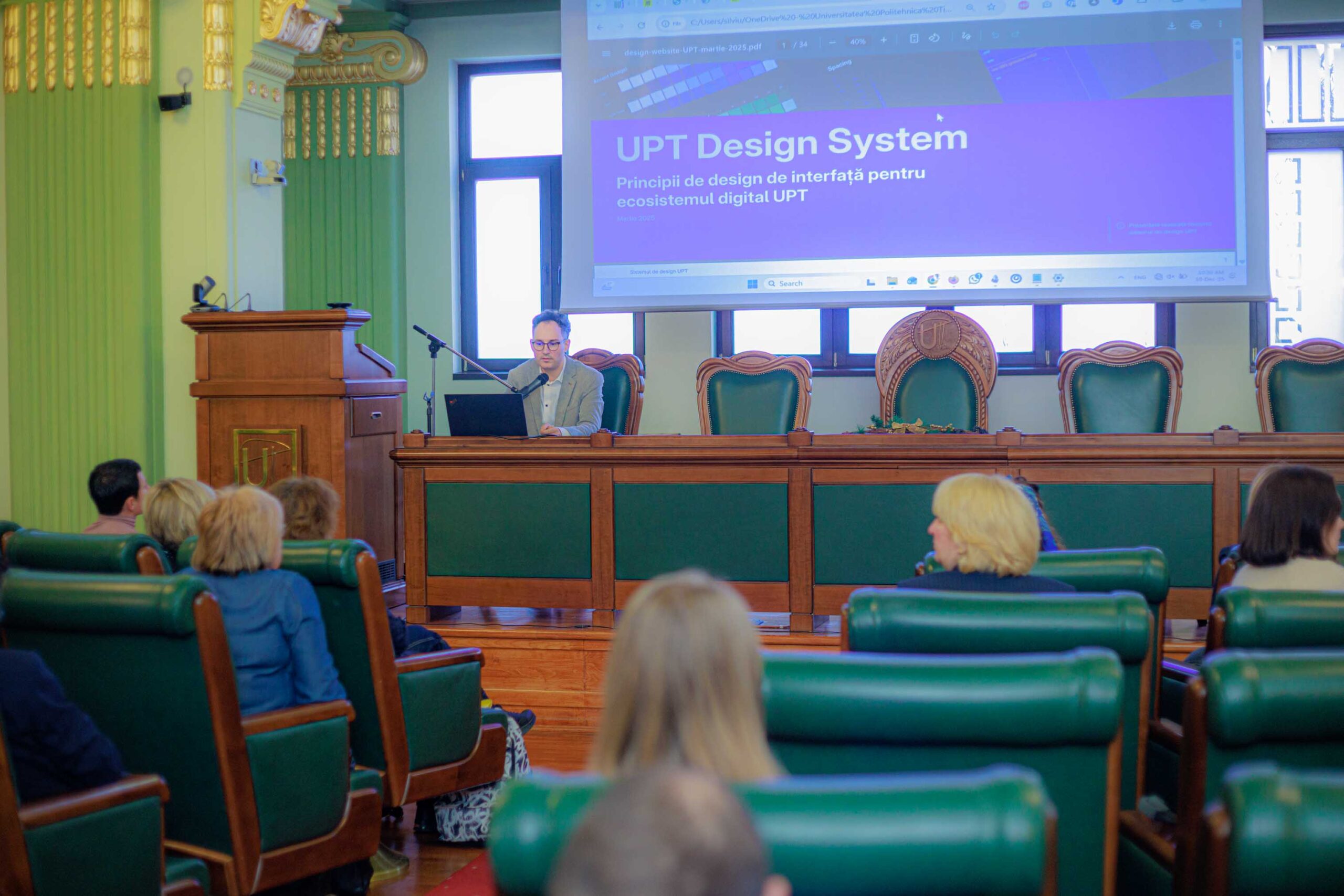
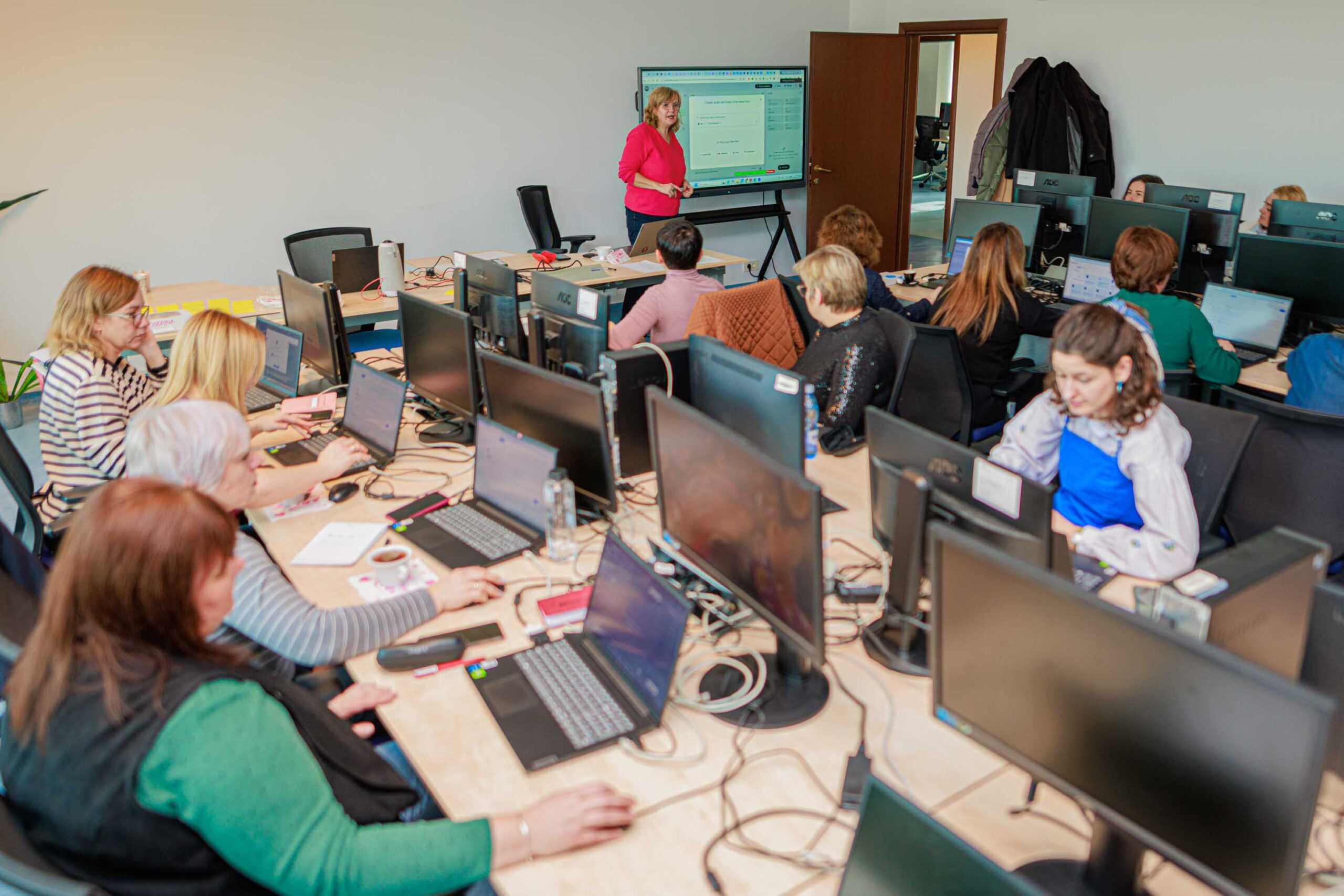
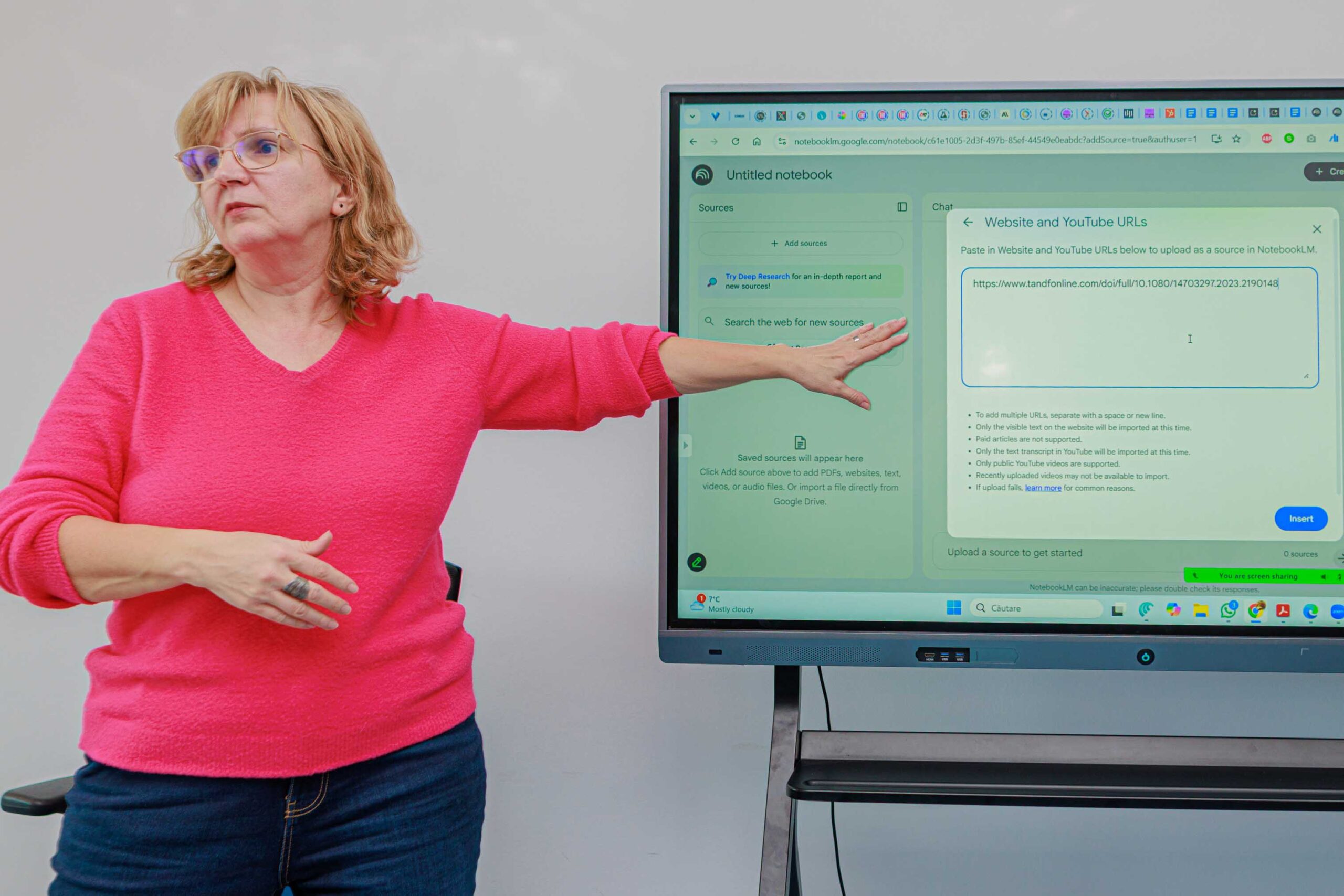
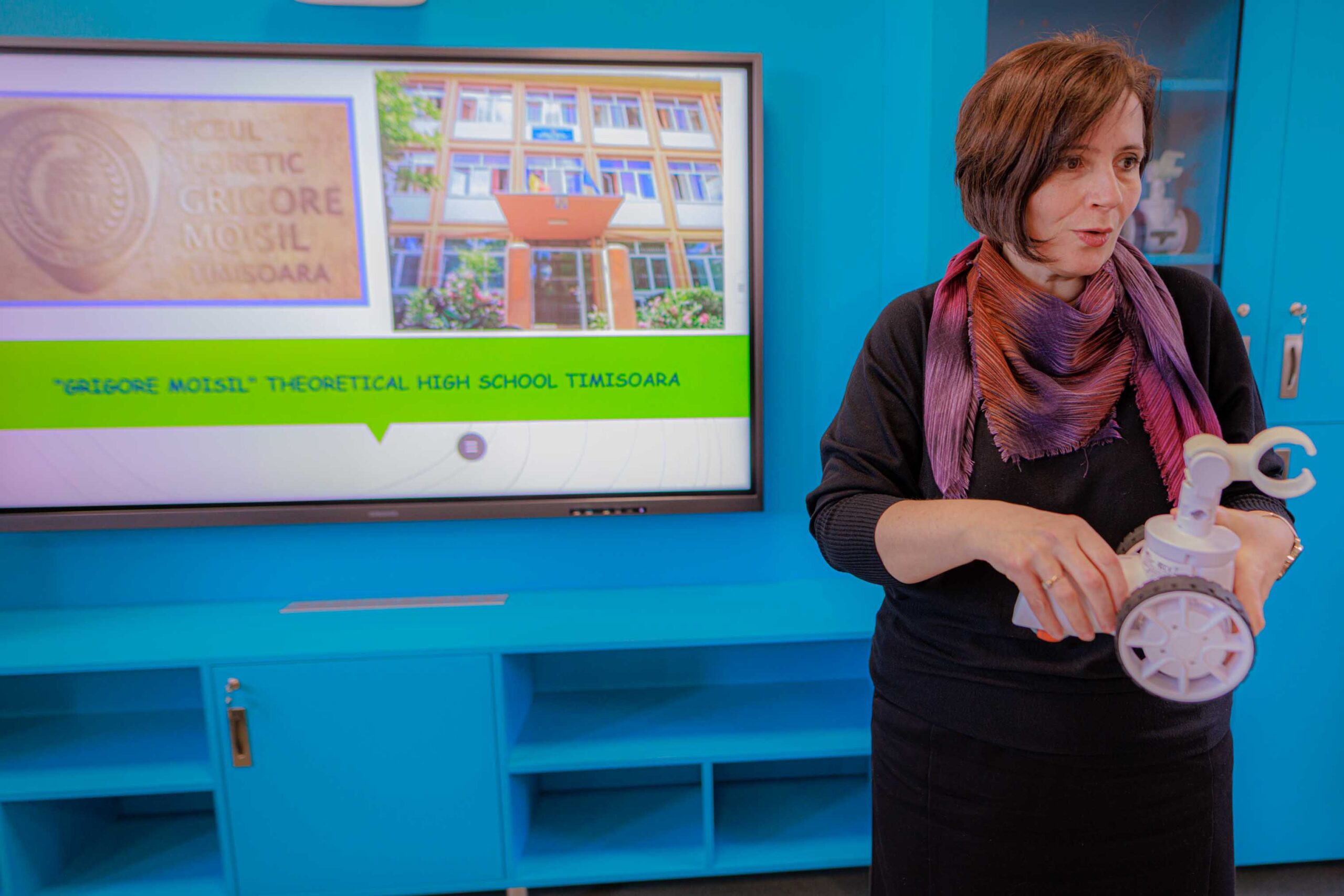
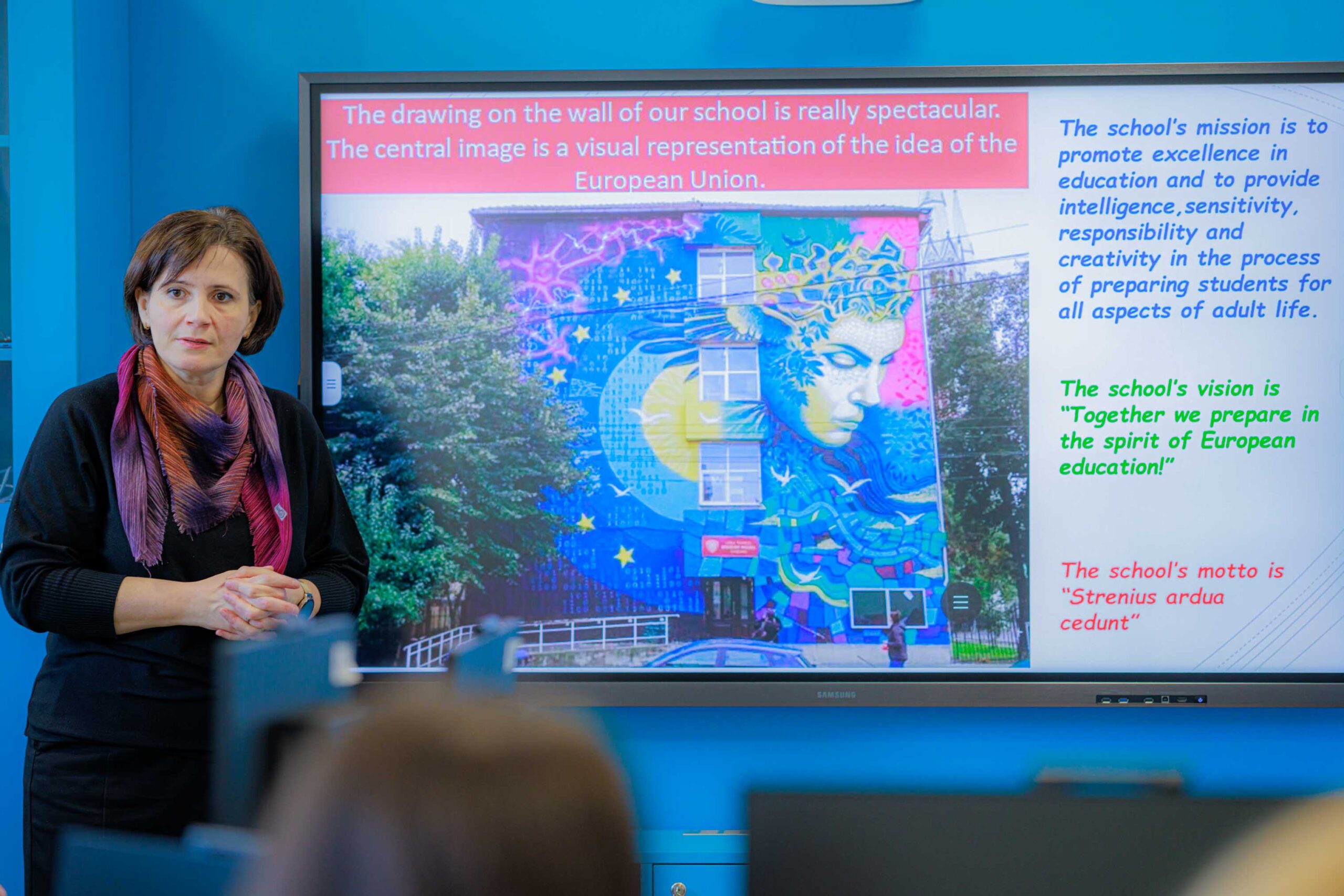
The second day focused on academic structure and didactic innovation, with sessions taking place in the UPT Senate Hall, where Prof. Dr. Alina Dumitrel – UPT Vice-Rector, Educational Process, Student Relations and Quality Assurance and Prof. Adrian Ciutină, the director of the UPT Quality Assurance Department presented "„From an idea to a complete study program – The Bologna Process and quality control”". Next, Assoc. Prof. Dr. Eng. Silviu Vert – UPT, presented to the delegates “How to build a university website for students“", in a session that focused on practical aspects of digital communication and how to use online platforms to increase student engagement. At the DeL headquarters, prof. dr. Gabriela Grosseck from the West University of Timișoara explored the theme "„Artificial Intelligence (AI) and the use of Notebook LM in teaching”". The program also included visits to the Smart Lab of the "Grigore Moisil" Theoretical High School, followed by a social program, during which the delegation had the opportunity to explore the Timișoara Christmas Fair 2025.
Day 3: Training Systems and Innovative Technologies
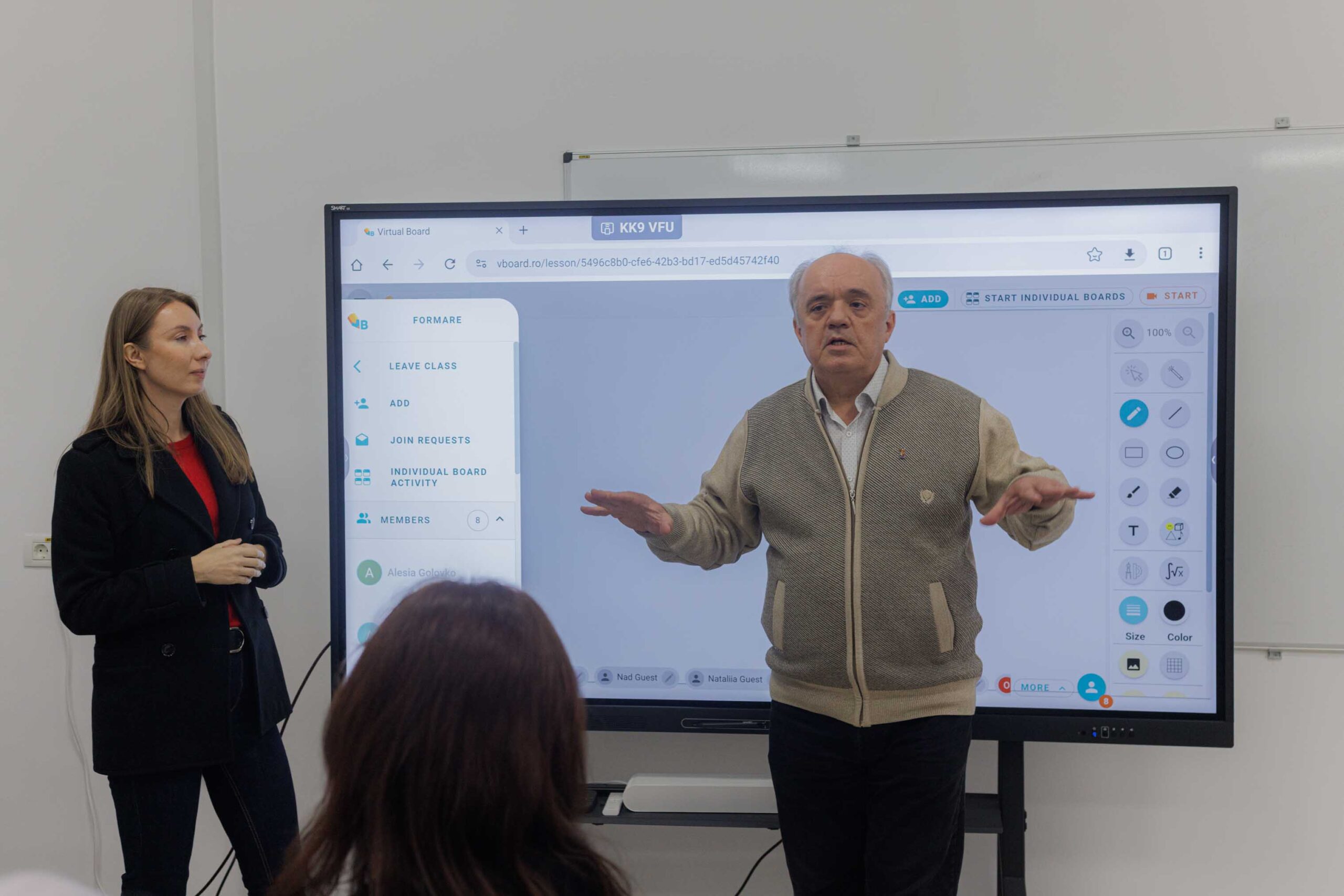
The third day of the visit began with the session held by Cosmin Hogea, Deputy General School Inspector of the Timiș County School Inspectorate, who presented "„Teacher training in Romania”"(Teacher Training in Romania), offering an institutional reference model. Prof. Dr. Eng. Carmen Holotescu, Rector of the "Ioan Slavici" University in Timișoara, continued with the session "„MOOCs & Blockchain”, exploring cutting-edge technology solutions for open education. The afternoon included a visit to the Smart Lab of the Banat National College in Timisoara, where the delegation received a presentation on the use of the virtual smart board (Vboard).
Day 4: International Digital Skills Workshop
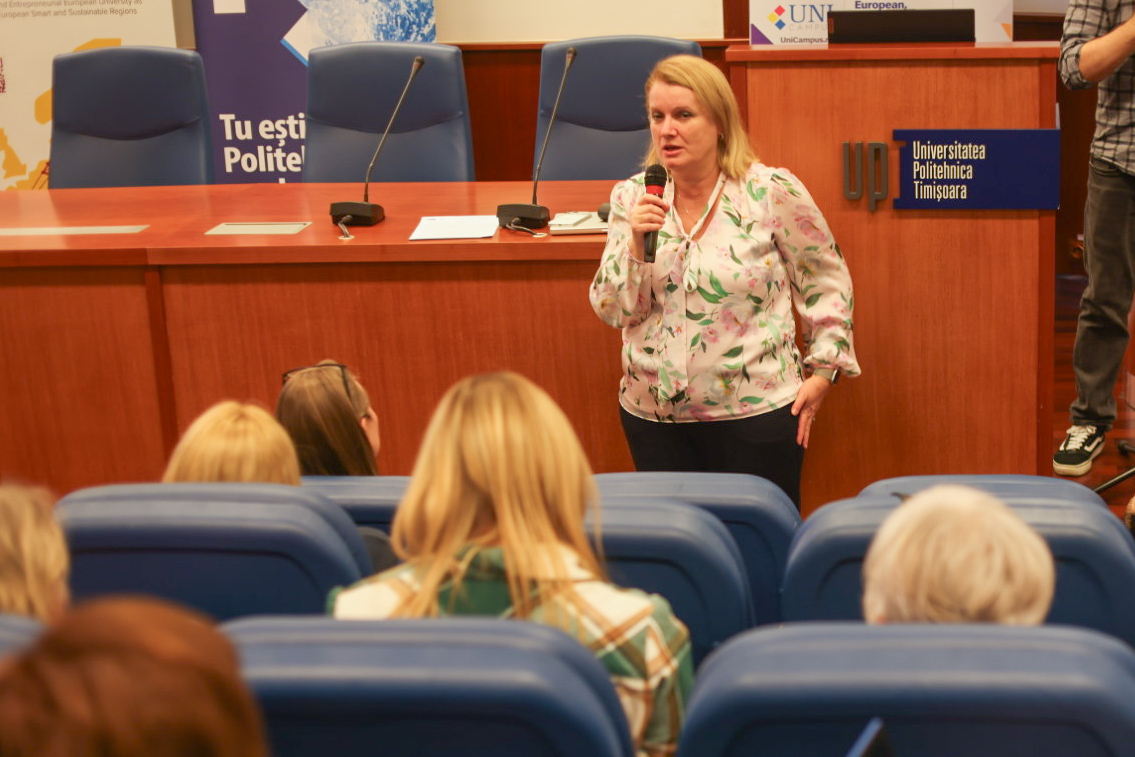
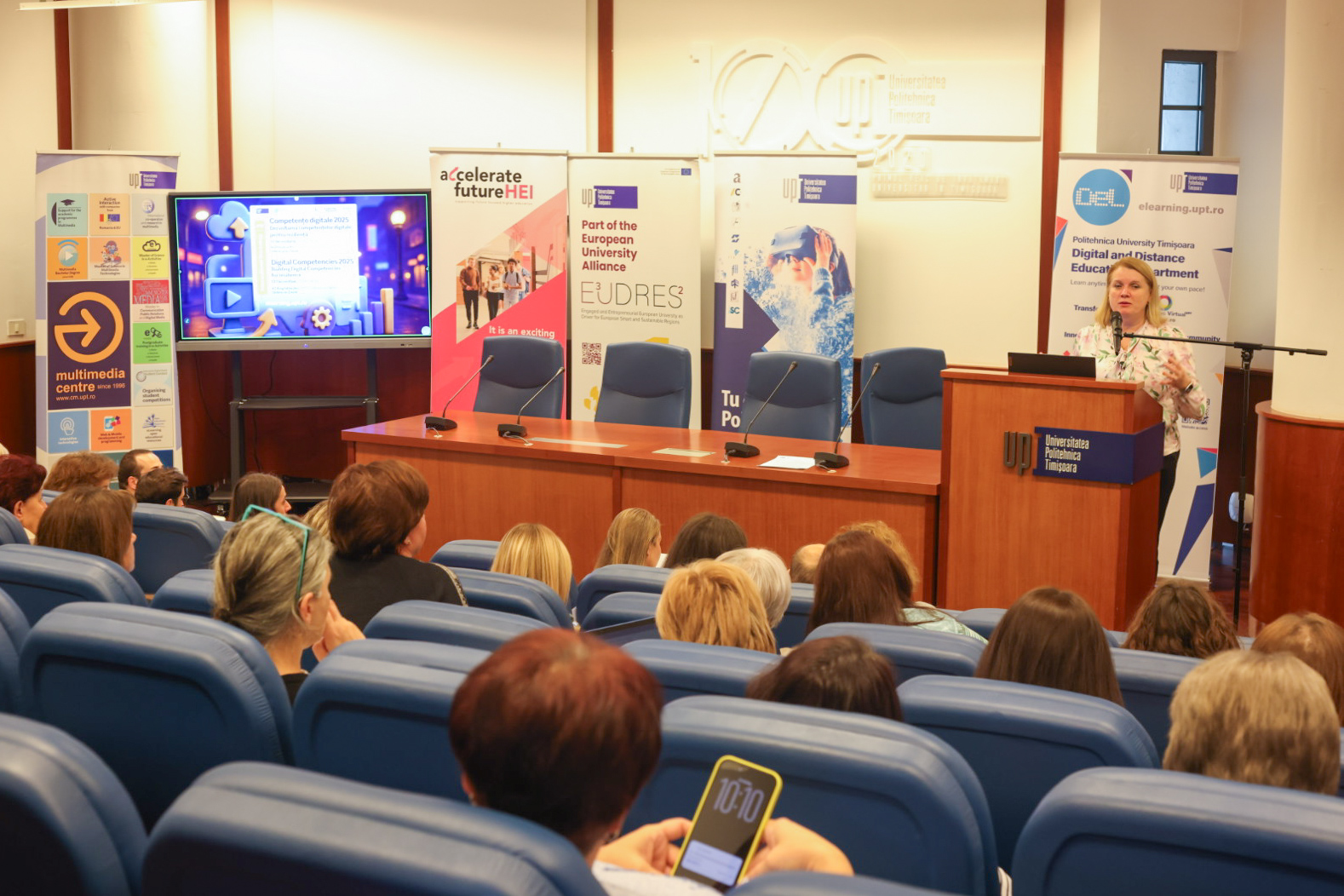
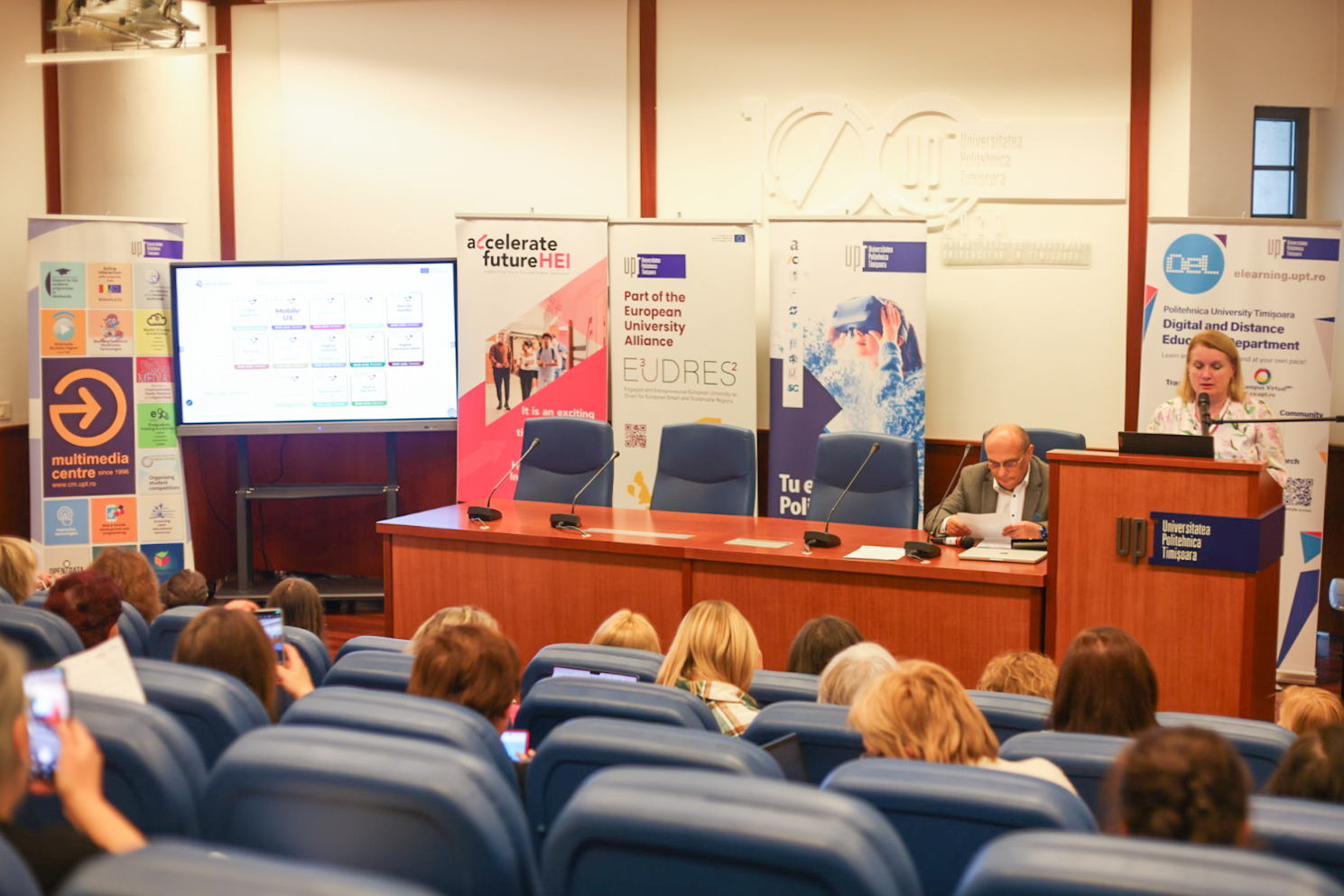
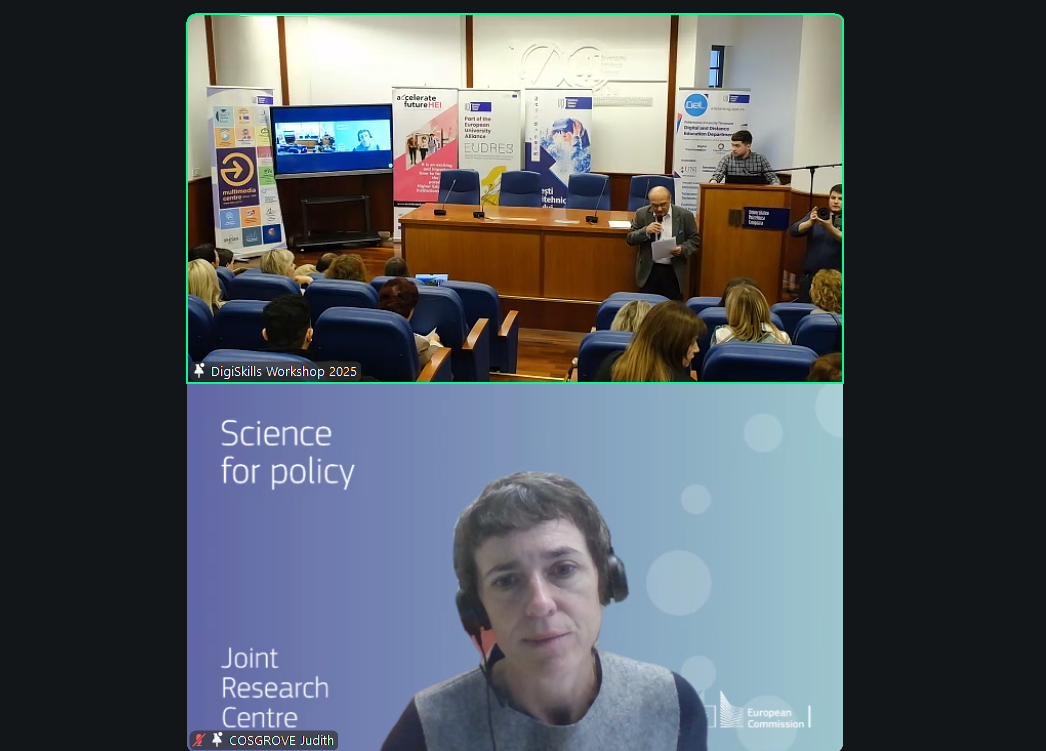
On the last day of the study visit, Friday, December 12, delegates participated in interactive sessions of International Digital Skills Workshop 2025: Developing Digital Skills for Resilience, where they had the opportunity to attend dozens of presentations by internationally renowned speakers, who focused on the EU's Digital Competence Framework 3.0 (DigComp 3.0) and the importance of developing digital skills for resilience in education, research and community.